by the AMS Board on the Urban Environment
More than 6 in 10 humans now live in cities. As urbanization accelerates and climate change intensifies, cities have become the critical frontier where weather, climate, and human resilience intersect. The world is recognizing what has long been clear on the ground: cities don’t just sit passively in their climate; they reshape it.
When we replace soil and vegetation with concrete, steel, and asphalt, we create new land and atmospheric conditions. These materials absorb heat and block water infiltration. Buildings increase aerodynamic roughness, intensifying wind through urban canyons. Elevated aerosol concentrations alter how clouds form, and precipitation develops. The result is cities that are measurably hotter than their surroundings, more prone to flooding, and susceptible to intensified wind and altered hail and lightning behavior.
But the effects vary dramatically depending on geography. A city in the tropics experiences these processes differently than one in high elevation; proximity to water bodies creates entirely different wind and precipitation patterns; topography channels air flow in ways that determine where pollution concentrates, where cooling breezes reach, and how storms evolve.
This means building resilient cities requires moving beyond traditional meteorology. It demands collaboration across engineering, planning, public health, social sciences, and data science, rooted in understanding the people who live in cities and the inequities that shape their exposure to climate hazards. The same urban design applied to two different locations will produce two different climate outcomes. How that climate affects people depends on who they are, where they live within the city, and what resources they have to adapt.
Urban climatology isn’t optional for cities adapting to climate change, it’s foundational. It determines whether billions of people can live safely and well, and the American Meteorological Society’s Board on the Urban Environment (BUE) supports the community in this vital area of research.
BUE convenes annual AMS symposiums and events and co-organizes the International Conference on Urban Climate (ICUC) that brings together 600–1,000 researchers and practitioners to advance the field. These activities provide venues for presenting new research, sharing methodological advances, and discussing emerging challenges in urban climate and weather.
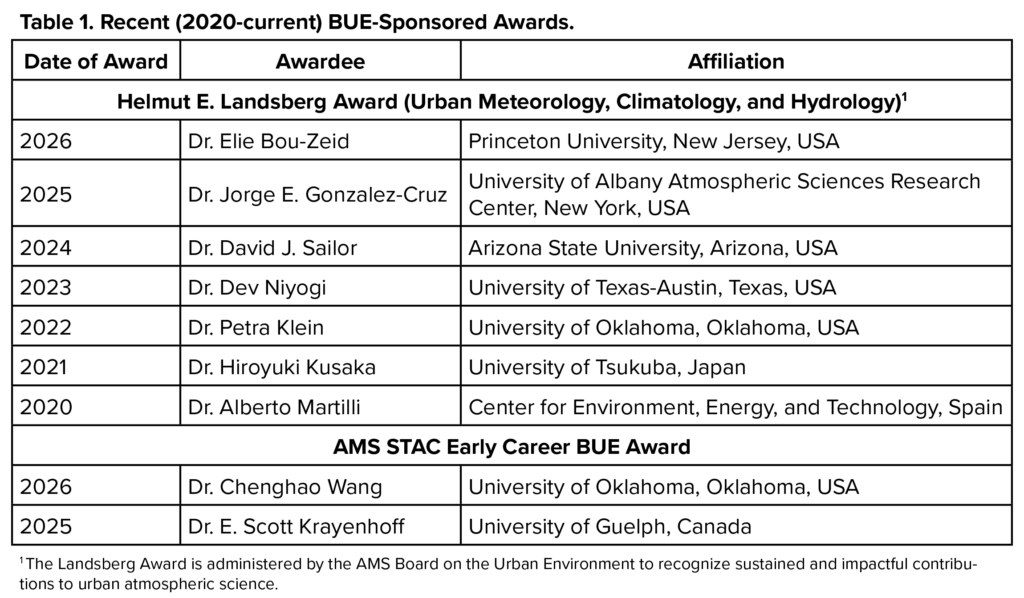
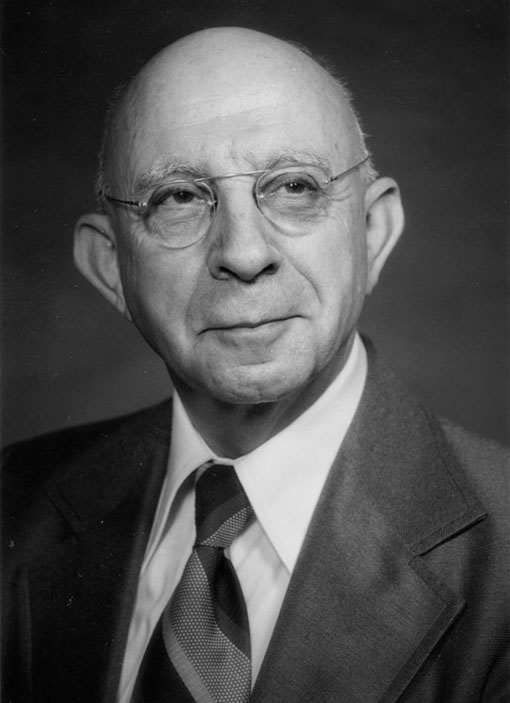
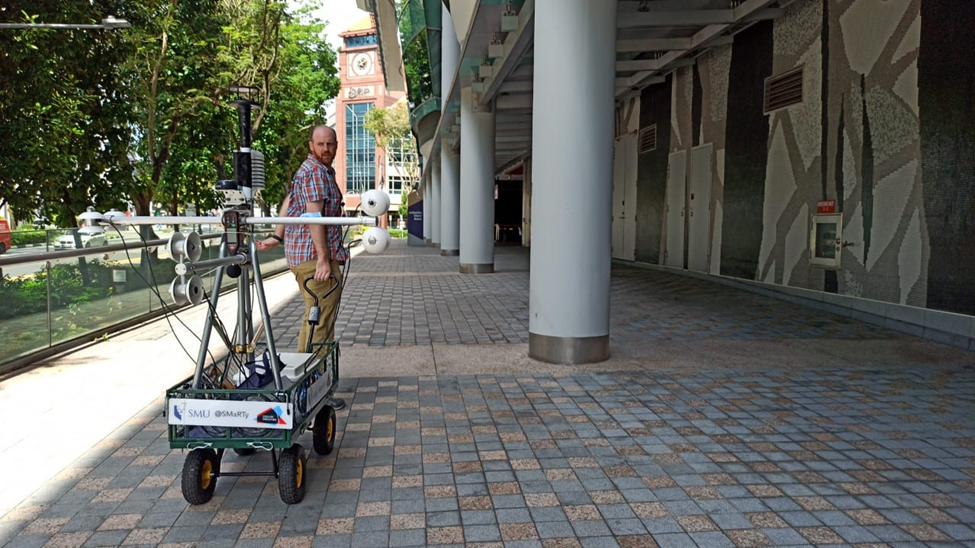
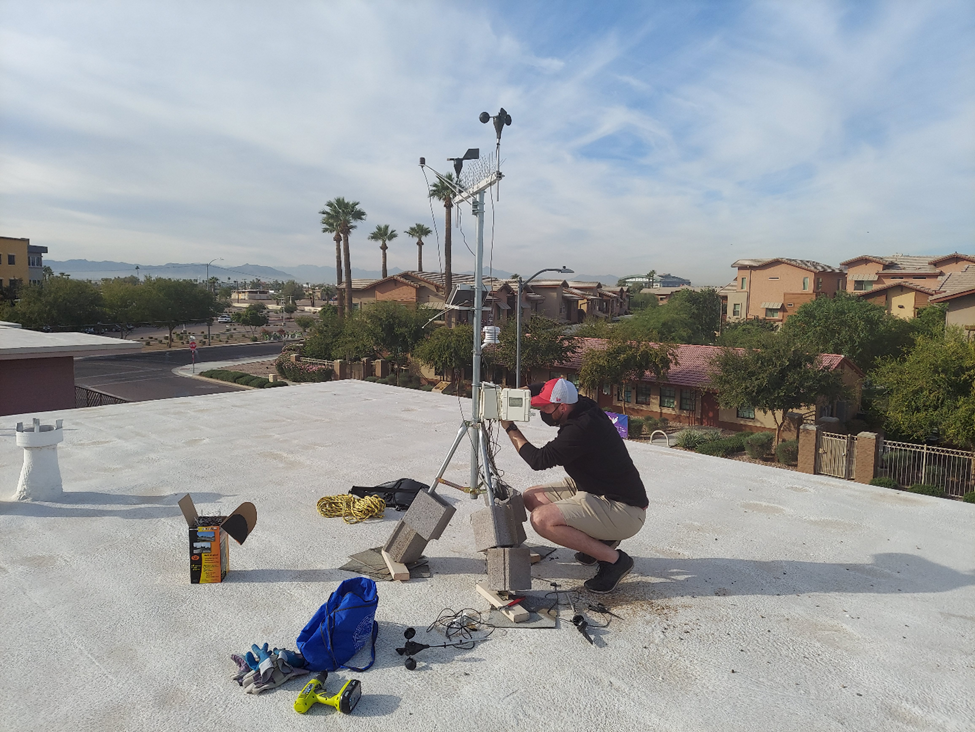
Recognition of excellence is a key component of the BUE’s mission. The Helmut E. Landsberg Award reflects how urban climate science has matured. Landsberg pioneered careful field observation in cities, establishing the measurement traditions that remain central to the discipline. His work of urban data collection lives on in the variety of methods for data collection used by urban climatologists. More recently, as computational capacity has expanded, modeling of urban atmospheric processes
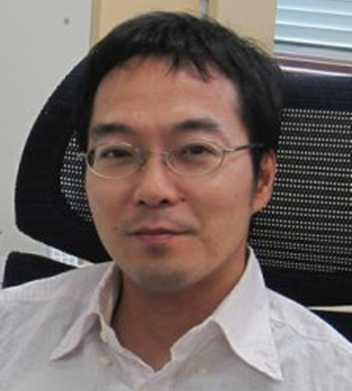
has become a key component of the field. This is clearly seen in the work of the 2021 recipient of the Landsberg Award, Hiroyuki Kusaka, whose research has been at the forefront of improvements to the WRF modeling updates and expansions. His work addressing the parameterizations within WRF for convective turbulence and urban surfaces in the urban boundary layer remain crucial to our collective ability to forecast and model weather patterns over urban regions.
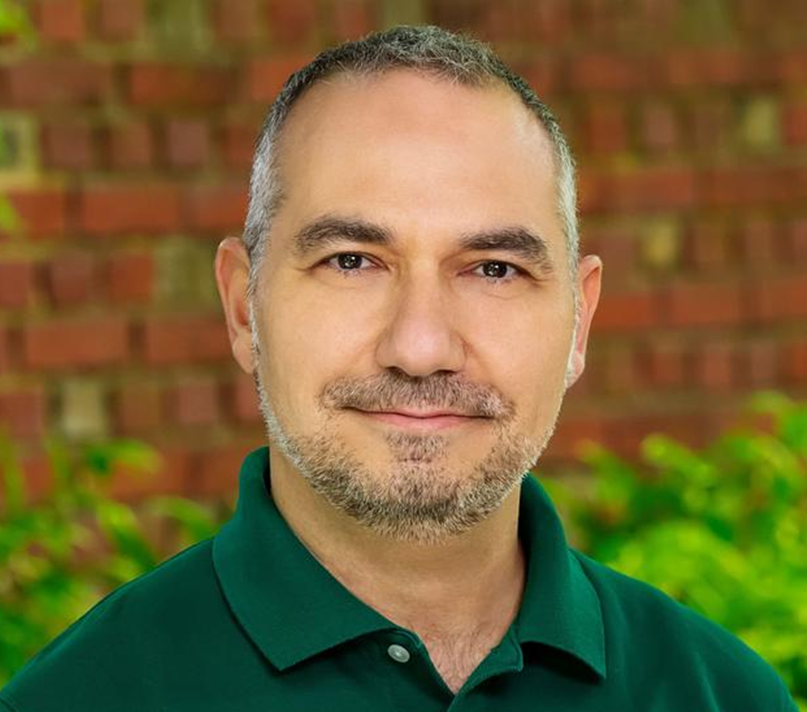
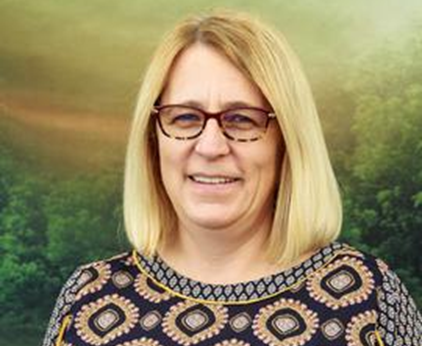
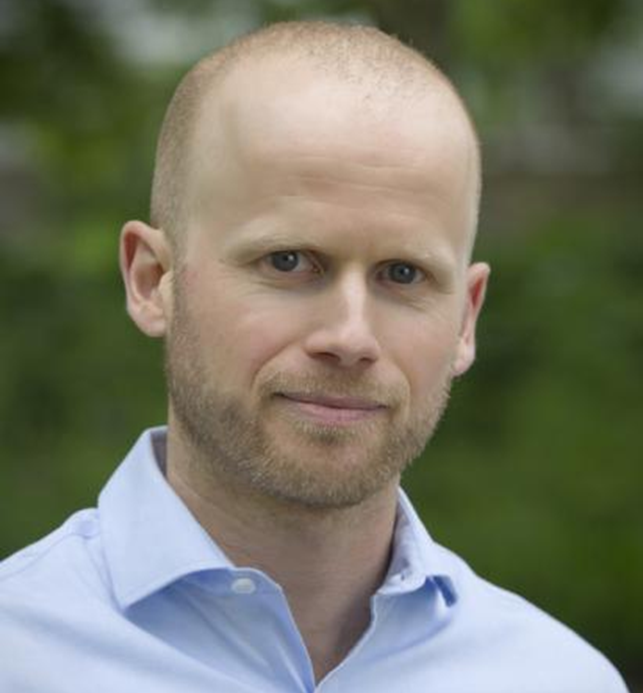
For the 2026 award cycle, the Helmut E. Landsberg Award was presented to Elie Bou-Zeid for his outstanding contributions to urban climate, urban flow/transport, and technological developments in areas such as urban canopy model development and urban large-eddy simulations. These contributions further the efforts in microscale and mesoscale urban boundary layer meteorology. These improvements in modelling are continually supported by strong field measurements in cities, such as those led by Petra Klein, the 2022 recipient of the award. Klein’s work measuring heat and air quality impacts from the Oklahoma City metro has greatly improved our understanding of convective storms and pollution trapping along highways, and has influenced our perception of tornado patterns around metro areas.
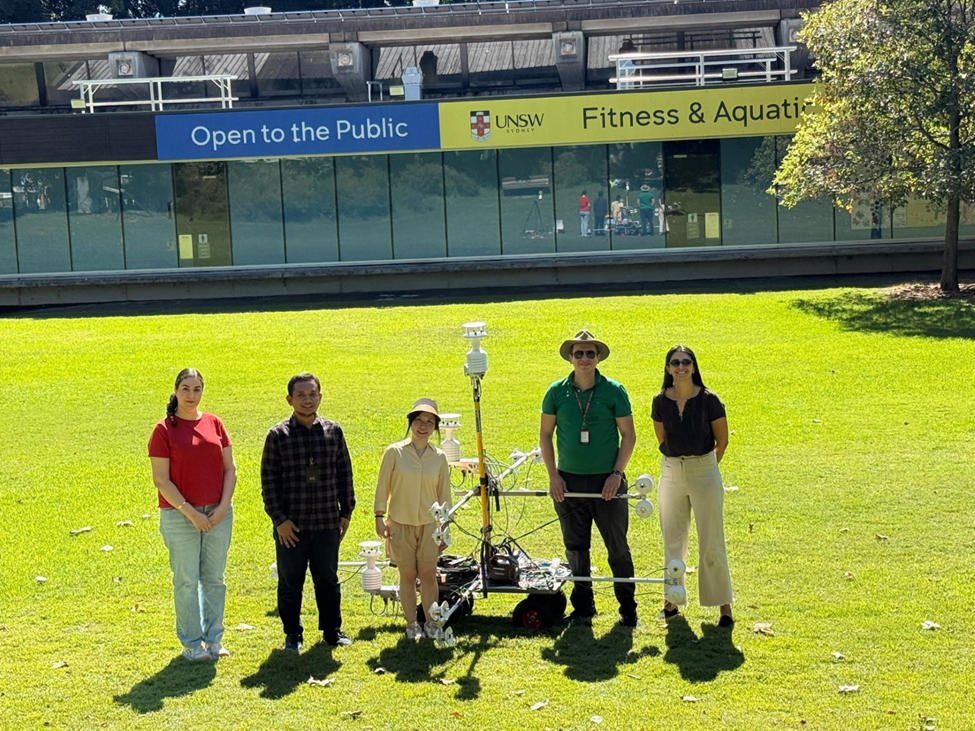
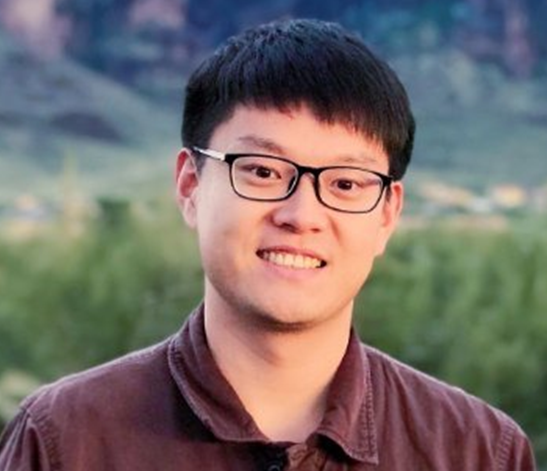
Yet not all research breakthroughs in the field come from well-established researchers in the field. Early-career researchers have provided crucial improvements to the measurement and modeling of the urban environment. The newly established STAC Early Career BUE Award recognizes the contributions of new and recent independent researchers to the urban climate field. The inaugural STAC Early Career Award was presented in 2025 to Scott Krayenhoff for his outstanding contributions to advancing urban vegetation and heat exposure modeling. Chenghao Wang received the 2026 award for high-impact research in urban climate modeling and for his leadership in community engagement. The work of these early-career scientists demonstrates how the field is deepening in the knowledge of urban meteorology and climatology as well as broadening the field to explore the impacts of the atmospheric sciences in urban contexts to human health and society.
Collectively, urban climatologists are hard at work to better understand how our policy and design choices in cities are impacting how the climate functions and shifts over time. The knowledge established in urban climatology is directly informing how cities are planned and designed. Through urban climate, cities can become more resilient to weather extremes in the midst of a turbulent climate. The BUE also leads in urban climate research at the international stage as lead authors and contributors to the upcoming Special Report on Cities by the IPCC. To find out more about our board, the current membership, activities, and how to get involved, visit our website. The next BUE conference will be held in conjunction with the Canadian Meteorological and Oceanographic Society on June 13–17, 2027, in Hamilton, Ontario, Canada.