The AMS podcast now hosts 100 episodes’ worth of career journeys
There are many more ways than you’d think to forge a career in weather, water, and climate. Just ask the 100+ researchers, educators, communicators, and more who’ve told us about their journeys and provided helpful advice through the AMS “Clear Skies Ahead” podcast!
Since 2019, Clear Skies Ahead – a project of AMS Career Development – has explored the world of science and adjacent careers, gaining important tips and perspectives from its guests along the way. The podcast just released its 100th episode (listen here). Nearing its 6th anniversary, it has spotlighted perspectives from atmospheric scientists, storm chasers, authors of popular science books, teachers, and more. How did they find their career paths? How do they manage failure, success, and challenges? See all episodes of Clear Skies Ahead here and dive in!
Hear from some of our many podcast guests below.
Finding Your Field
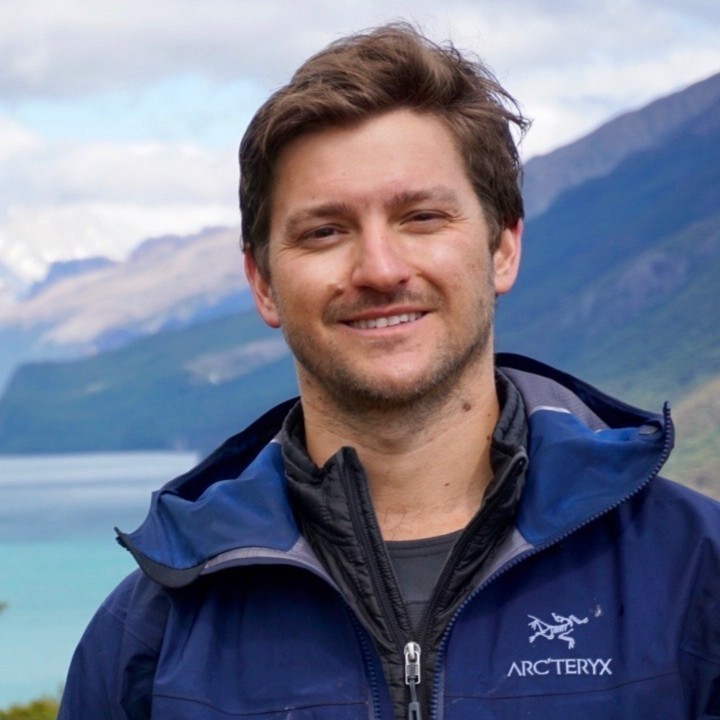
“I was constantly thinking about weather, sort of intrinsically, through a probabilistic lens, because I was basically trying to plan what fun thing I was going to do over the weekend. That’s where all this really started. I was figuring out where I was going to go skiing to get the best snow.”
—Nick Cavanaugh (listen to episode)
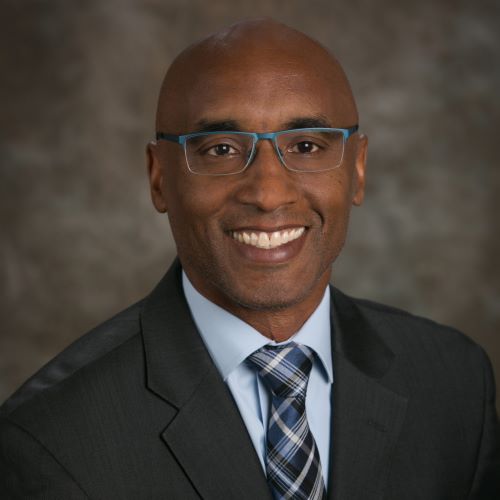
“When I started to develop my own interest in the private sector, I asked myself how I could take science and put it together with business and really have an impact on the world.”
—Kevin Petty (listen to episode)
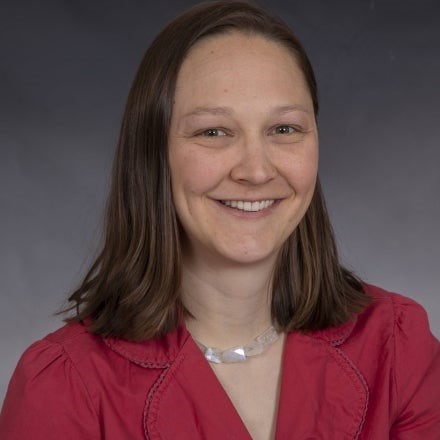
“Earth Science is at the union of physics, chemistry and biology. It’s super complex and also really interesting. I think it’s really relevant for anyone living on the planet because you can experience and observe pieces of that going on.”
—Alice DuVivier (listen to episode)
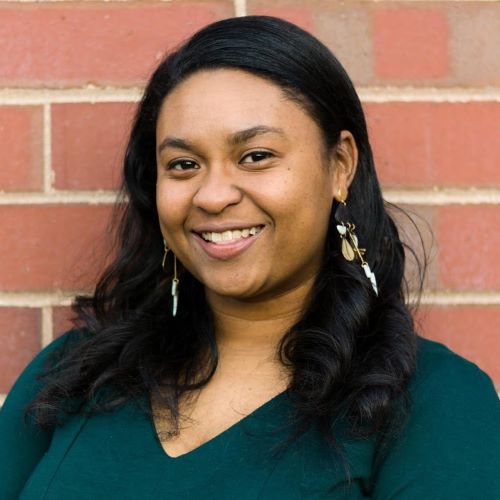
“I think that something that students should know is that there are so many ways to get into meteorology. There’s always a way to get into the field. It doesn’t have to be a straight line path.”
—Ayesha Davis (listen to episode)
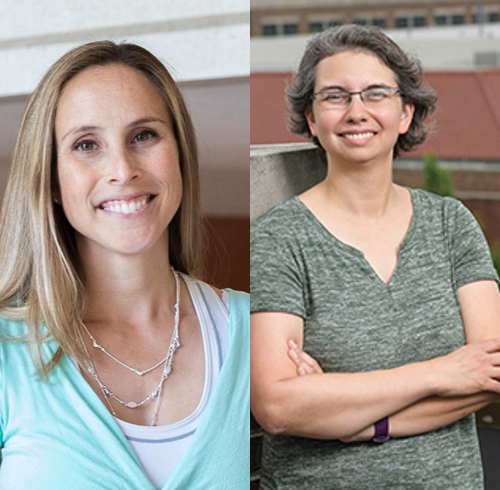
We always recommend that new storm chasers go out with more experienced people first. So they can find out the rhythm of it, learn to be patient, learn to fill their roles, be part of a team, and work cooperatively together.
—Jana Houser and Robin Tanamachi (listen to episode)
Life Across Disciplines
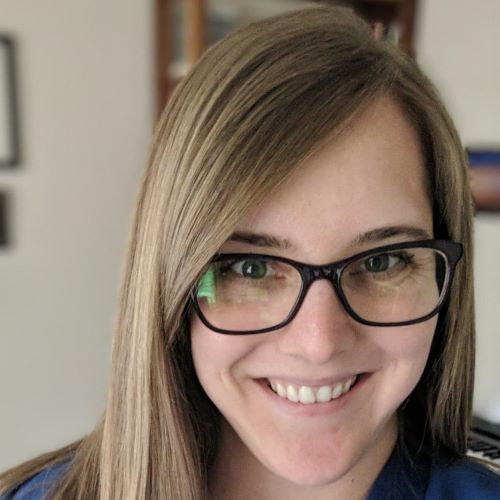
“There is very much a need for people to have the knowledge and the background and science of meteorology, but also be able to pair that with some level of either risk communication, emergency management, social science, anything that really, I think, involves the human impact side.”
— Becky DePodwin (listen to episode)

“And so at the end of the day, I’m a teacher, and to me, teachers are the most important people in the world. And if I can embody that, that’s my goal.”
—Matthew Cappucci (listen to episode)
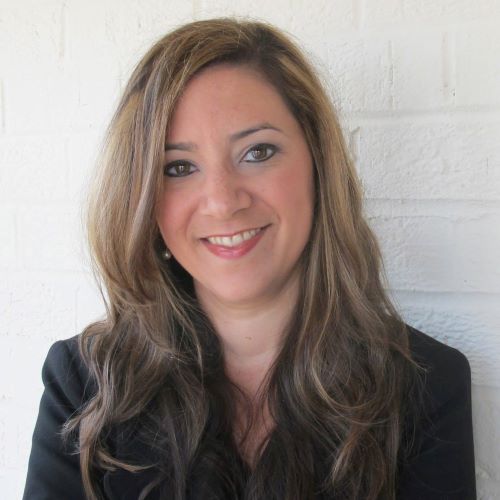
“At a very young age, I understood the value of why we need physical observations of our environment. I had awareness of the intricacies of federal, state, regional, and local governance. I had experience watching academic private partners all work together towards this common goal.”
—Gina Eosco (listen to episode)
Building Skills
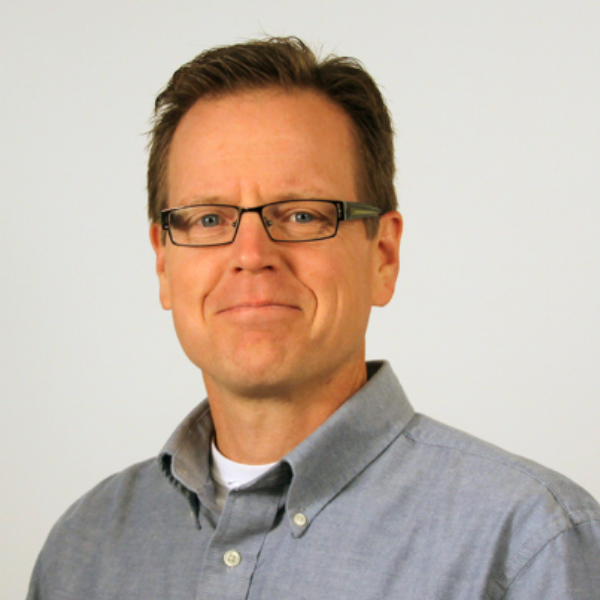
“You need to suit your presentation or information based upon the audience. If I can think of a personal story that relates to either their question or what the point is I’m trying to get at, is best for me in terms of communicating.”
—Doug Kluck (listen to episode)
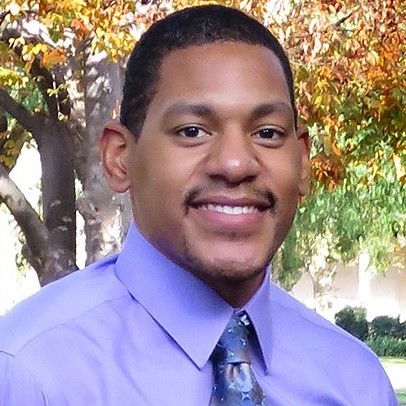
“We have to learn from our past…not necessarily dwell in it because we can’t change anything in the past, but we can learn these lessons and understand how we got here today so that we can do better and make forward progress for tomorrow.”
—William Turner IV (listen to episode)

“I think trying to build trusting relationships is really key, and I think it’s one of the biggest challenges that scientists face when meeting and liaising with the public, but it’s also a massive opportunity.”
—Justin Sharpe (listen to episode)
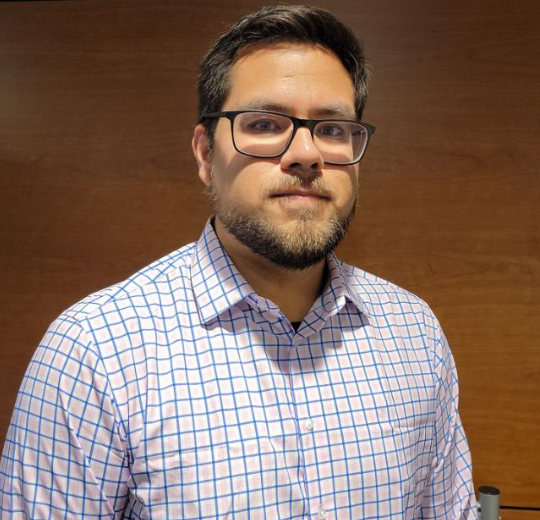
“I think maybe if there’s one thing I would tell people who are going through a similar situation, or just going into college, [it] is, don’t be afraid to fail. No one’s going to look at you that negatively because of the fact that you retook a course. It happens all the time.”
—Angel Enriquez (listen to episode)