by Amber Liggett Torres, MSEM
As the 2026 U.S. midterm elections approach, it’s important to plan ahead so that bad weather doesn’t prevent you from making your voice heard.
Why the 2026 Midterm Elections Matter
Midterm elections take place halfway through a U.S. president’s four-year term. Voters elect members of Congress and, in many states, governors. In turn, elected officials influence agency budgets, research priorities, regulations, and the institutions that support scientific work. These elections may affect control of Congress, and often serve as a referendum on current policy. Regardless of political affiliation, voting provides an opportunity to participate in decisions that affect our professions and communities.
In 2026, all 435 seats in the House of Representatives, 35 of the 100 Senate seats, and 36 governorships are up for election. Federal science policy has become part of the broader political conversation, and the outcome of the midterms will likely help shape government priorities, including decisions affecting scientific research, science funding, public health, environmental protections, and emergency preparedness.
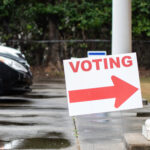
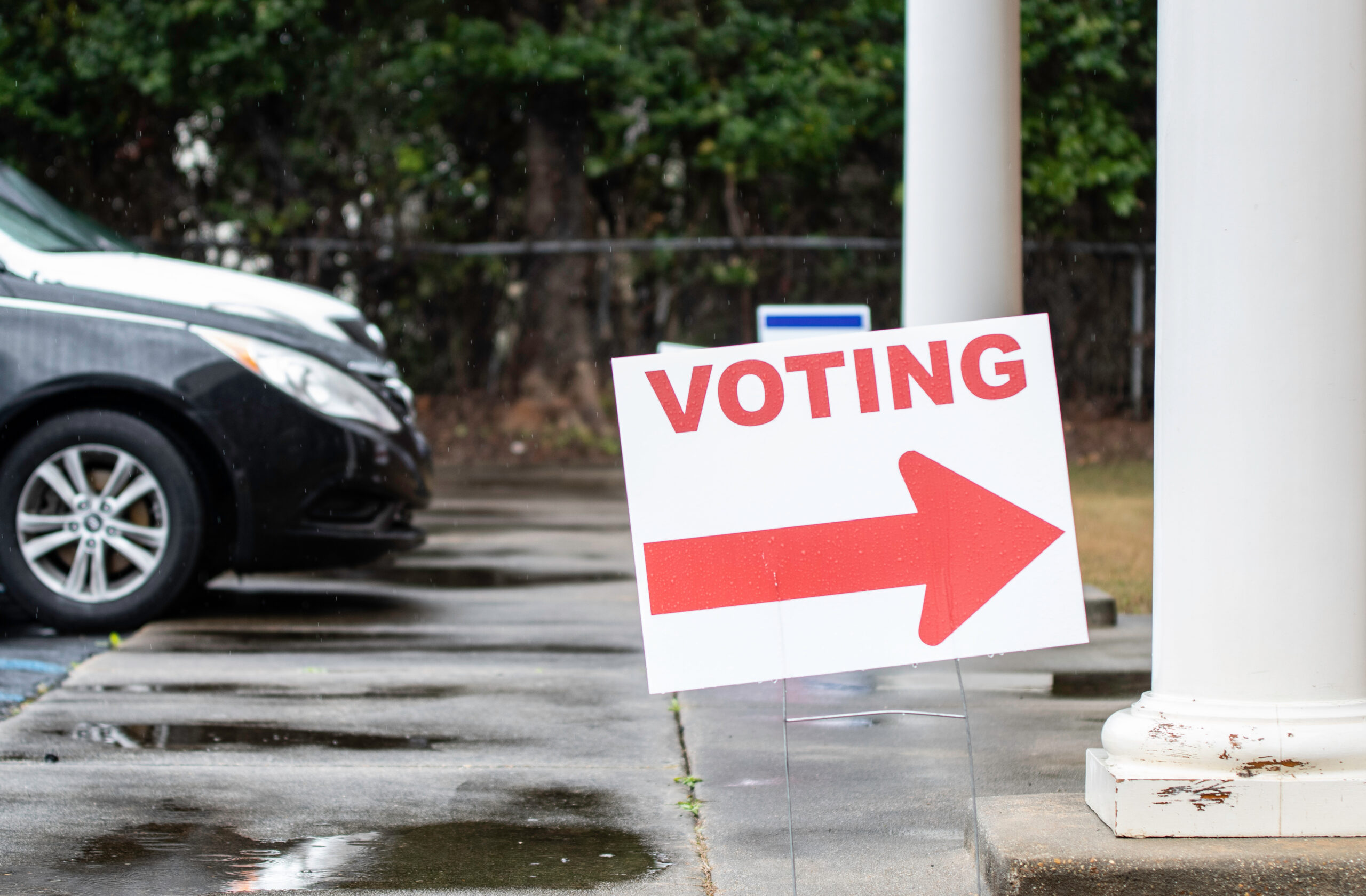
Yet deciding to vote and getting to the polls are not always the same thing. For people who wait until Election Day, weather can become an additional barrier.
Weather and Election Day Turnout
Rain may discourage voting, but research is limited
Some research has found an association between rainfall and lower voter turnout in the United States. Studies (mostly from previous decades) suggest that persistent rain or uncomfortable conditions may make traveling to a polling place less appealing, particularly for “low propensity” voters–people who are already less likely to vote. Some studies suggest that warmer, more pleasant weather may increase turnout, although evidence for this effect is more limited.
While it’s hard to quantify large-scale effects, we know that severe weather can cause major disruptions on Election Day. For example, in 2014, midterm elections coincided with the aftermath of a major snowstorm in Maine that left at least 80,000 people without power. Authorities had to move polling places at the last minute and supply emergency heat and electricity. In 2018, in the aftermath of Hurricane Michael, movement and consolidation of polling places may have affected voter turnout.
It’s worth taking into account factors that affect your access to the polls, and how they might be impacted by weather. Population density, local transportation infrastructure, voting norms, and polling-place location may all influence voting patterns and how voters respond to weather. In densely populated areas, some voters may need to navigate crowded transit or wait outdoors. In sparsely populated areas, polling places may be farther apart, requiring longer drives.
For those who face competing obligations, busy schedules, and transportation challenges that can make voting harder when conditions are poor, advanced planning may help you get to the polls despite a deluge.
The effects of weather on voting are still not well understood, and vary across studies, locations, and election systems. Perhaps most importantly, much of the existing research focuses on time periods when voting in person on Election Day was the primary way to cast a ballot.
Early voting has changed the equation
Early in-person voting and mail ballots give eligible voters the option to cast their ballots before Election Day, reducing their exposure to that day’s weather. Research discussed in The New York Times suggests that early voters have often included older adults and people who want to get it done ahead of the deadline.
Those who are less engaged or tend to postpone decisions may be more likely to wait until Election Day, when weather can still become a barrier.
Mail-voting rules vary by state. Some states allow voters to cast mail ballots without providing a reason, while others limit eligibility to people who meet specific criteria. Early voting offers one way to reduce weather-related barriers. For those who plan to vote on Election Day, preparation can also make the process easier.
Don’t Let the Forecast Decide for You
Vote early when possible
If you have not yet voted, check state and local election officials’ current guidance on whether early in-person voting or mail voting is available to you. Confirm deadlines, eligibility requirements, ballot-return instructions, and polling locations through official election resources. Voting early can reduce your dependence on Election Day transportation and weather conditions.
Make an Election Day weather plan
If you plan to vote on Election Day, take a few practical steps:
- Check the forecast. Monitor local forecasts as Election Day approaches and prepare for potentially disruptive conditions.
- Confirm polling-place details. Verify your polling location and hours, and check for official updates.
- Plan transportation. Decide whether to drive, walk, bike, or use public transportation, and identify a backup option.
- Allow extra time. Account for slower travel, traffic, transit delays, and lines.
- Prepare for the elements. Dress for the forecast and wear suitable footwear.
- Coordinate with others. If helpful, arrange a ride with friends, family, or colleagues.
- Check accessibility needs. Identify available accommodations or transportation assistance in advance.
- Spread the word. Encourage people you know to factor the weather into their own voting plans.
Make Your Voice Heard
A poor forecast does not have to become a barrier to participation in democracy.
Participating in elections can help shape the future of matters important to our scientific community, from atmospheric research to weather and climate preparedness programs, environmental protections, and public safety.
Make a plan, check the forecast, and make your voice heard. Whether you vote early or head to the polls on Election Day, don’t let the weather make the decision for you.
Amber Liggett Torres, MSEM, is a meteorologist and emergency manager by education, and science and safety communicator by training.