Zong-Liang Yang, a professor at the Jackson School of Geosciences at the University of Texas at Austin, was elected as an American Geophysical Union (AGU) Fellow, joining a distinguished group of 52 individuals in the 2025 Class of Fellows. AGU bestows this honor annually to a select number of individuals who have made exceptional contributions. Since the program’s inception in 1962, less than 0.1% of AGU members have been selected as fellows each year.
Yang was selected for his exemplary leadership and outstanding scientific achievements, which have significantly advanced the understanding of land surface interactions and how they are represented in regional and global climate models.
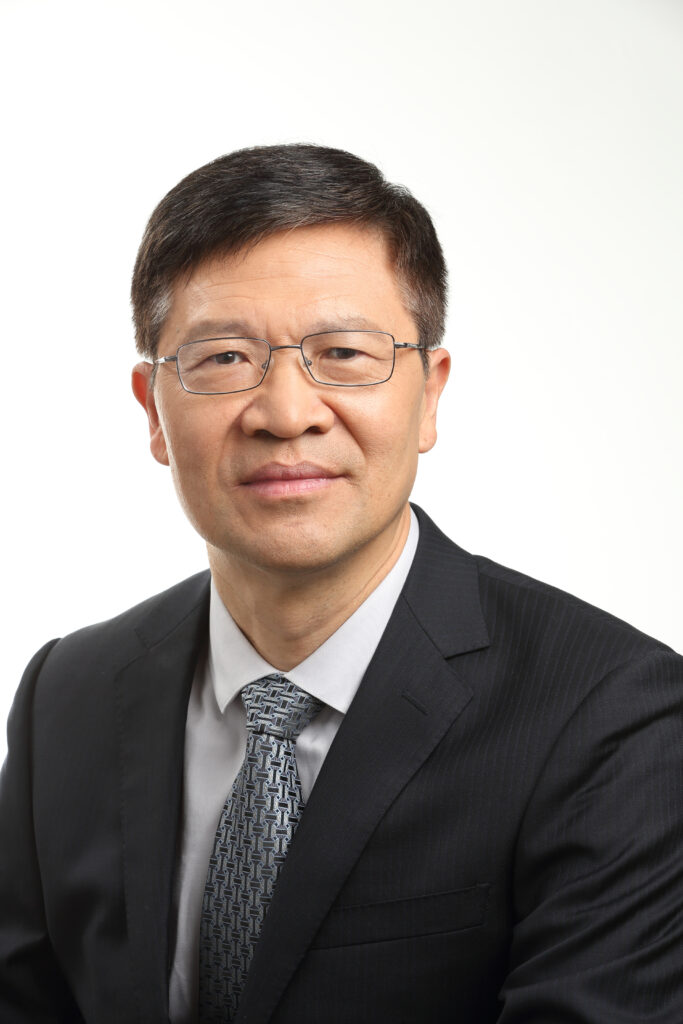
Yang’s models are used at a number of leading research institutions, including the NSF National Center for Atmospheric Research, NASA’s Goddard Space Flight Center, and the U.S. National Water Center. This past August, Yang convened a land modeling workshop that was attended by more than 250 scientists that explored the science behind extreme weather events, with a particular focus on coastal hazards.
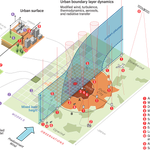
In addition to improving models, Yang’s research has led to insights on how extreme weather events are currently unfolding. For example, an analysis of soil moisture measurements from global hydroclimate data revealed that “flash droughts”—where soil dries out in a matter of days to weeks—are coming on faster. Yang has also examined how climate interacts with urban environments. He is a coauthor of a recent study that found that cities, particularly in hotter and wetter climates, receive more rain than surrounding rural areas.
AGU Fellows are recognized for their scientific eminence, demonstrated through breakthroughs, discoveries or innovations that advance the Earth and space sciences and act as external experts, advising government agencies, and other organizations outside the sciences upon request.