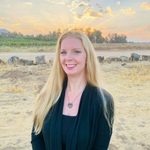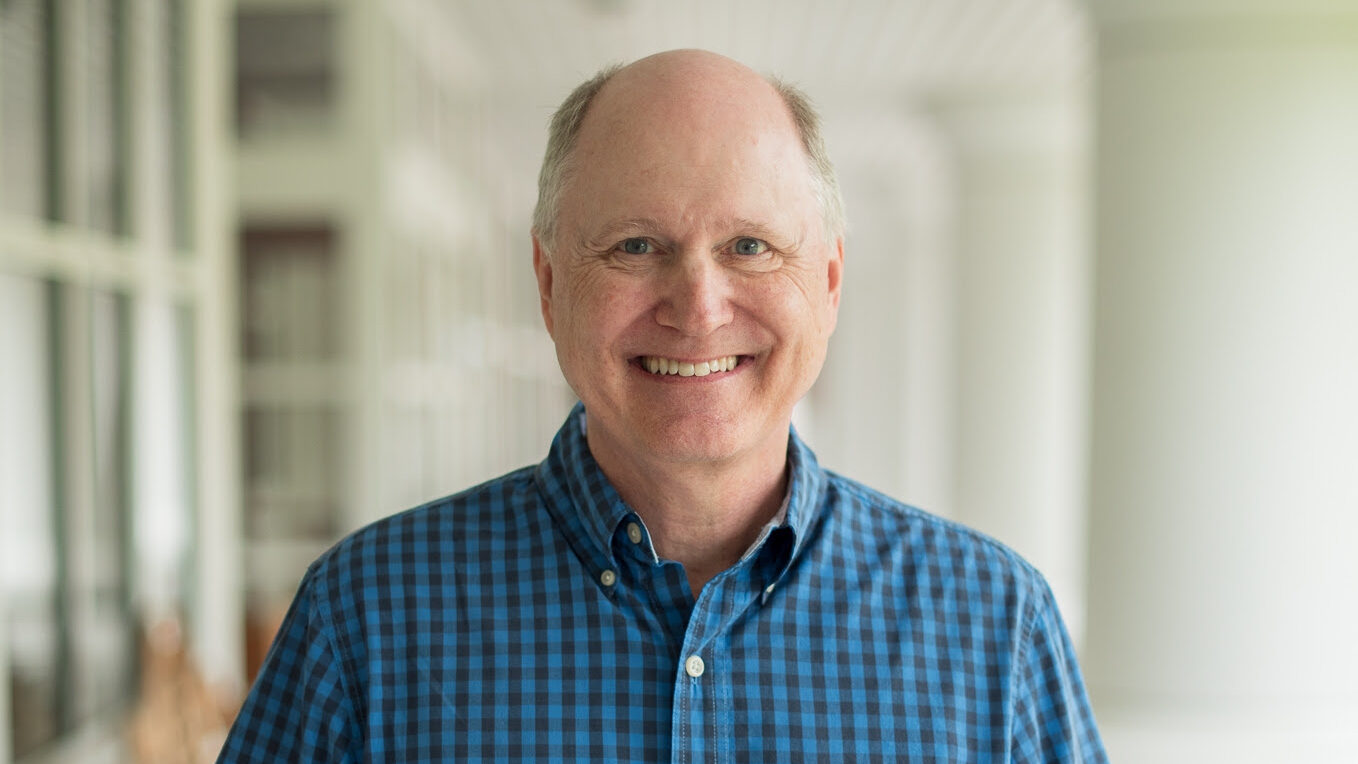
AMS spoke with AMS President Dave Stensrud and Annual Meeting Overall Planning Committee Cochairs Pam Heinselman and John Banghoff to talk about the planning process for the 106th AMS Annual Meeting, taking place January 25–29, 2026 in Houston, Texas.
How did you arrive at the central theme of the meeting, “Fast and Slow Thinking: The Human Factor in a Rapidly Changing World”?
Stensrud: I reflected on what I had learned over the past few years that had the greatest impact on me and what I thought might be helpful to others. The answer was crystal clear: the concept of fast and slow thinking that helps us to understand how we make decisions. I believe everyone can benefit from having a better understanding of the human decision-making process and learning strategies that can help us become better thinkers.
How does this year’s theme reflect current priorities or trends in meteorology and the atmospheric sciences?
Stensrud: The importance of decisions related to public safety, economic prosperity, health, climate change, and sustainability are apparent at the personal and national level. But also imagine how the decisions you make every day at work and at home might be improved if you had a deeper understanding of how the brain works.
Heinselman: As the use of AI-driven tools becomes more prevalent within the weather, water, and climate enterprise, and society as whole, it’s important to consider how they might (or might not) be useful or beneficial to our human decision-making process.
Banghoff: In the midst of rapidly evolving technologies, expanding computational resources, and extending predictability horizons, now more than ever we need to be reminded of the important role we as humans play in fostering improved preparedness, better workplaces, and more resilient communities through our uniquely powerful intellectual and relational capabilities.

What message or call to action do you hope attendees will take away from this meeting?
Stensrud: AMS helps our members grow both professionally and personally. At AMS meetings we look forward to sharing the latest scientific results, developing our professional networks, and building new technical skills, but we also have opportunities to learn how to navigate our careers, enhance our emotional intelligence, and support each other. AMS not only advances science, AMS builds community.
Heinselman: The important role of the human element in our personal and professional lives. From taking care of ourselves holistically, so that we may better serve our communities, to building relationships, so that we may excel collectively, in the midst of a rapidly changing world.
Banghoff: No amount of technological advancement can take away the critically important role of humans in our field. From excellent leadership and intentional relationship-building to taking care of our mental health and making excellent tactical and strategic decisions, the value of human factors has never been a more important differentiator as we serve our communities.
How do you ensure the meeting meets the needs of both early-career professionals and established experts?
Stensrud: Personal development is important at every age and throughout our careers, so the increased focus on personal development at this meeting reaches every AMS member.
Heinselman: A great thing about this meeting is that it provides so many different opportunities for people of all backgrounds and experience levels to network and exchange ideas, whether it is through a coffee break, poster session, or a connection lounge.
Banghoff: Regardless of age, experience level, race, gender, or socioeconomic background, we are all united in our humanness. The Presidential Session topics provide a seat at the table for all attendees as we dive into some universal concepts that can foster deeper connection and collaboration, scientifically AND relationally.
Are there any keynote speakers, panel discussions, or sessions you’re especially excited about?
Stensrud: I have been most involved with organizing the Presidential Forum on Sunday afternoon and the daily Presidential sessions that run from 10:45 a.m. to noon Monday through Thursday. I encourage AMS members to take a close look at these sessions, as they offer something for everyone: fast and slow thinking, work–life integration, career reinvention, mental well-being, people-focused leadership, the role of the human in an AI world, decision-making and ethics, talking to faith communities about science, and a conversation about supporting science. AMS meetings are full of great speakers, panels, and sessions, and I look forward to attending as many talks as possible.
How has the scientific program evolved this year in terms of interdisciplinary topics or emerging research areas?
Stensrud: Each year the topics shift to adapt to new foci and ideas. The most prevalent topics this year include climate change, environmental justice, health impact assessment, artificial intelligence, extreme weather, observations and instrumentation, data assimilation, modeling, public health preparedness, and urban meteorology.

Are there any unique opportunities or challenges associated with hosting the meeting in Houston?
Stensrud: The Local Organizing Committee is developing a session with local leaders from the Houston area on the dangers of heat, providing them with the best science and information possible to help reduce heat impacts in their communities.
What do you hope attendees say about the 2026 meeting once it concludes?
Stensrud: I hope that the attendees say that they learned something new, that the meeting was impactful, and that they look forward to returning next year for the 2027 AMS Annual Meeting!
Heinselman: I hope that the attendees say that they gained some new perspectives, made some new connections, and feel personally and professionally inspired to take care of themselves and take the next steps in their careers.
Banghoff: I hope that attendees leave with a curiosity about personal growth, that their minds were stimulated by compelling scientific topics, and that their hearts were inspired to take care of themselves and each other as we all seek to become better versions of ourselves.