By A. Gannet Hallar et al.
key messages from
Storm Peak Laboratory: A Research and Training Facility for the Atmospheric Sciences
A. Gannet Hallar (University of Utah), Ian B. McCubbin, Randolph Borys, Douglas H. Lowenthal, Melanie Wetzel, Edward Hindman, Sarah D. Brooks, W. James Steenburgh, Lynne Gratz, Sebastian Hoch, Britton Stephens, John D. Horel, Noah P. Molotch, Gerald G. Mace, Adriana Bailey, Claire Pettersen, Elisabeth Andrews, Dan J. Czizco, and Maria Garcia. Published online in BAMS, June 2025. For the full, citable article, click the title link.
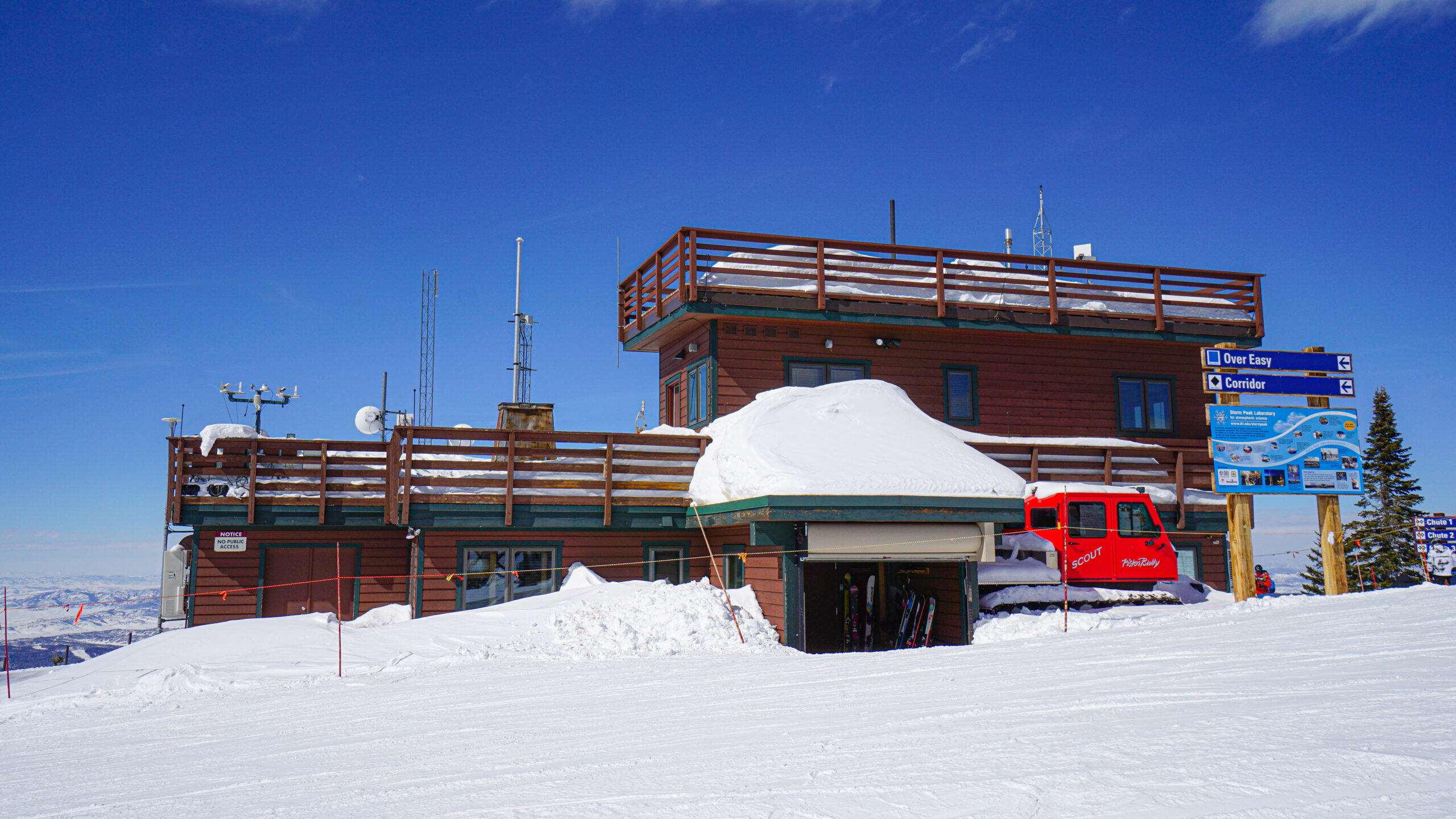
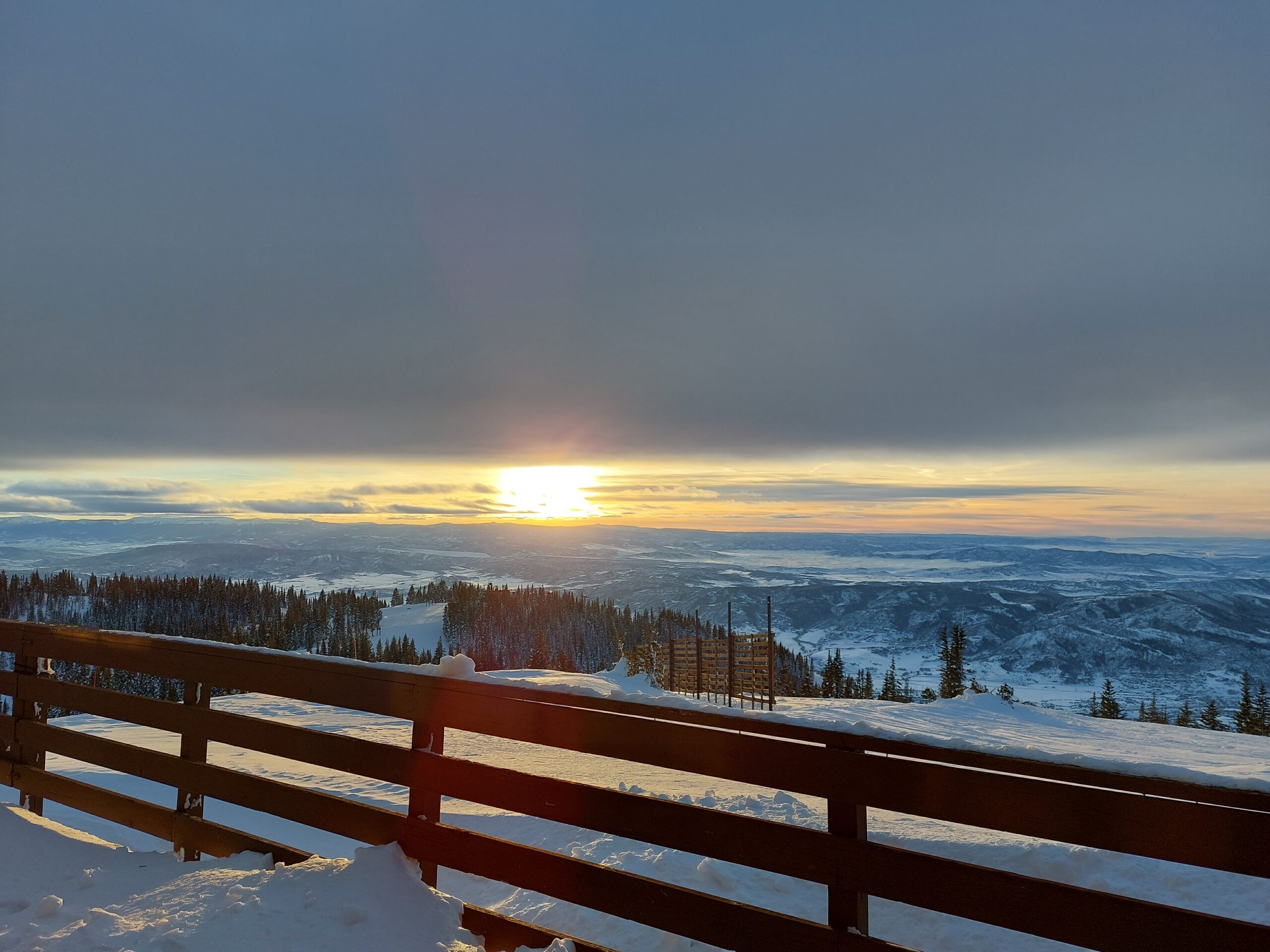
Storm Peak Laboratory (SPL), perched atop a peak in the Intermountain West region of the United States, is an internationally recognized high-elevation atmospheric research station that has been in use for more than 40 years. This unique atmospheric science laboratory and research teaching facility is located amid the Steamboat Springs Ski Resort in Colorado on the west summit of Mount Werner at 10,532 ft (3,220 m) above sea level, and with its long history of targeted field campaigns, its impact on so many aspects of both research and training in the atmospheric sciences is well-known. The laboratory allows scientists to have their “head in the clouds”—specifically in mixed-phase clouds—for extended periods of time. Our recently published article in BAMS outlines the people and partnerships that allowed for the growth of this facility, along with the many resulting scientific discoveries in the fields of cloud microphysics, atmospheric aerosols, and atmospheric chemistry.
In 2021, SPL was recognized by the National Science Foundation (NSF) as a Community Instruments Facility (CIF) for the atmospheric sciences. The CIF program provides the NSF-sponsored atmospheric sciences research community with access to specialized instrumentation for field and laboratory-based studies. Scientists can request for their research the use of SPL, as a CIF, via the Facilities for Atmospheric Research and Education (FARE) Program, which supports state-of-the-art instruments and facilities.
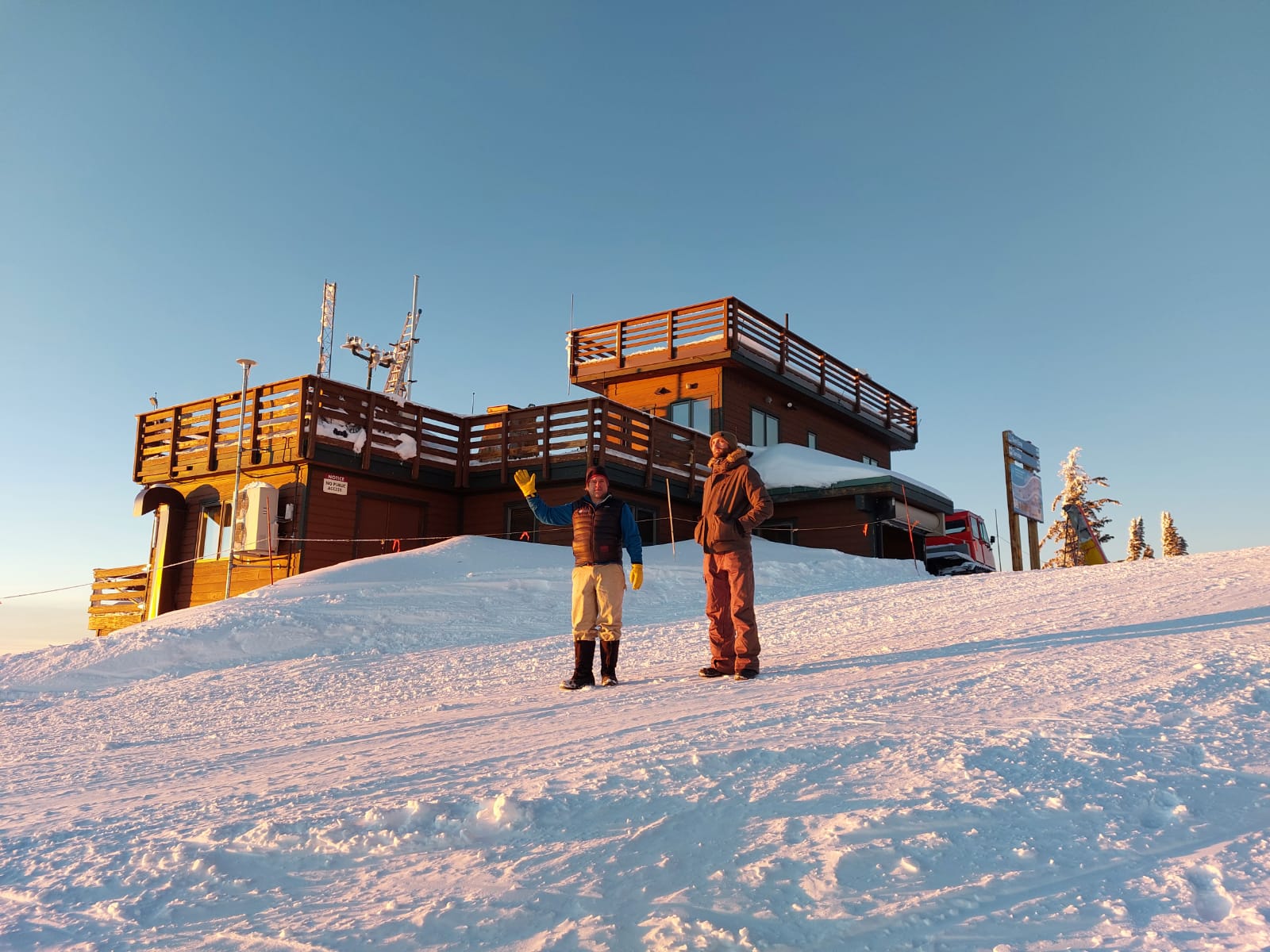
SPL has been an evolving research facility in the atmospheric sciences since its first incarnation during the winter of 1979–80. Currently, SPL provides an instrument and chemistry laboratory, full kitchen, and overnight living accommodations for nine people. Moving into the next decades, SPL can provide research support in a wide range of alpine weather and climate topics relevant to many pressing societal challenges.
| 106th AMS Annual Meeting: Presentations and Posters of Note about Research at Storm Peak Laboratory |
| J1B.1 Anna Gannet Hallar: Long-Term Monitoring of Ice-Nucleating Particles (INPs) Coupled with Cloud Microphysics |
| 2.1 Claire Pettersen: Introducing the Snow Sensitivity to Clouds in a Mountain Environment (S2noCliME) Field Campaign |
| 11.1 Ankur R. Desai: Assessing Student Competency Gains in a Field-Based Meteorological Measurements Course |
| 220 Pierce Gardner: Observed Sensitivity of Snow Microphysics in Complex Terrain to the Presence of Near-Surface Super-Cooled Liquid Water |
| 224 Sarah Phillips: Effects of Flow and Moisture on Cold-Season Microphysical Processes Near Terrain: A Case Comparison from S2noCliME |
The laboratory has high-quality continuous meteorological measurements dating back to 1992. Data records of meteorological parameters, aerosols, clouds, and trace gases are available for the international scientific community. With our article, we provide specific details of data streams and accessibility to encourage their use. Furthermore, we provide examples of field courses taught at SPL, and we hope that they inspire new faculty to consider designing similar courses, either at the mountaintop lab or another field site.
METADATA
“While majoring in physics at Truman State University, I had the excellent opportunity to intern at the National Weather Service in Pleasant Hill, Missouri, near where I grew up on a farm and attended school in Centerview (population 270). During this internship, I was introduced to automated atmospheric instrumentation, which set the trajectory for my current career. I also benefited from great teachers in high school—my mother for mathematics and Mrs. Peasley for science—and was so fortunate to find a spectacular MS and PhD advisor, Linnea Avallone.”
—A. Gannet Hallar, University of Utah
A Brief Conversation
with the Author
Headlines: What would you like readers to learn from this article?
A. Gannet Hallar (University of Utah): Our hope is that readers see possibilities for using Storm Peak Laboratory’s site, instrumentation, and/or data in their future research or teaching plans. Our article provides a literature review of prior work done at the site, which will allow future researchers to put their work in context and understand the broader picture.
Headlines: How did you become interested in the topic of this article?
AGH: It has been a joy to direct Storm Peak Laboratory for the last 19 years. The science questions are ever-pressing, and the opportunity to interact with so many students in the field is always a highlight. Plus, it is a bonus to ski to work, and the views never get old.
Headlines: What surprised you the most about the work you document in this article?
AGH: Via this article, I got to explore the long history and many scientific discoveries enabled by Storm Peak Laboratory. Furthermore, I greatly enjoyed conversations with the founders of the laboratory and learning more about their scientific journeys, challenges, and accomplishments.
Headlines: What was the biggest challenge you encountered while doing this work?
AGH: Storm Peak Laboratory often lives up to the name, with extreme icing, cold temperatures, and windy conditions. It takes a great team to keep instruments running in these conditions.
“I will continue to advocate for long-term measurements of atmospheric composition in the United States, due to the importance of these climate-relevant gases, clouds, and aerosols. These types of measurement sites also can provide critical information for extreme episodes (e.g., biomass burning, radionuclide releases, erupting volcanoes, etc.).”
—A. Gannet Hallar, University of Utah