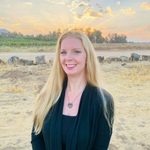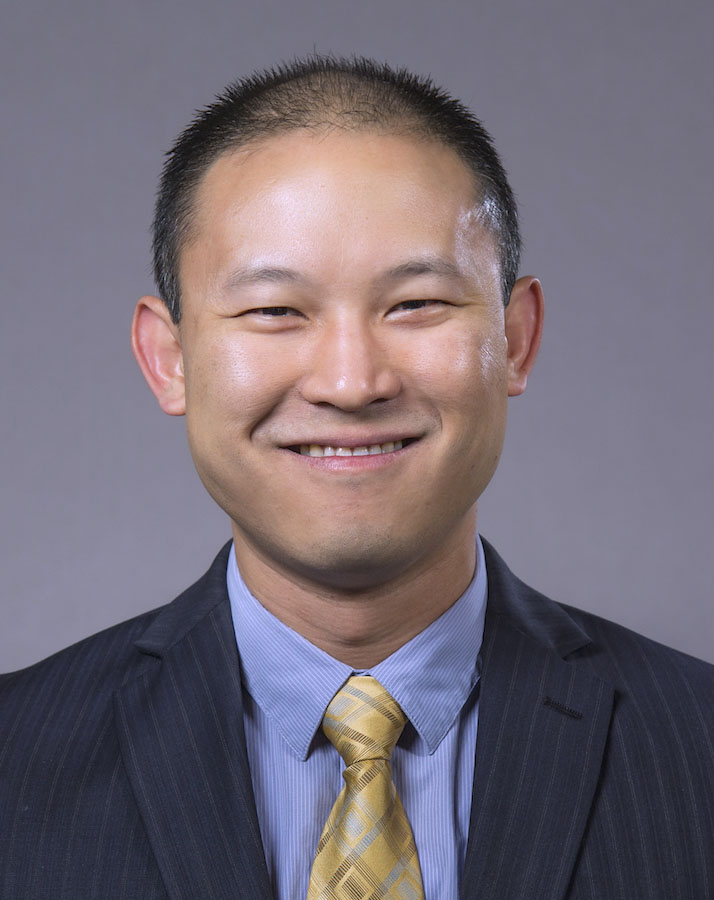
May is Asian American and Pacific Islander Heritage Month. In this post, we spotlight the exceptional career of one of our community members: Brian Tang.
Brian Tang’s love for weather emerged when he was young, being fascinated with the wild swings in weather growing up in Colorado and Texas. He received his BS in atmospheric science and BS in applied mathematics from UCLA in 2004, and his PhD in atmospheric science from MIT in 2010. He was then a postdoctoral fellow at NCAR through 2012. Since then, Tang has been a professor at the University at Albany, SUNY. His research focuses on tropical cyclones and other high-impact weather events, such as hail and atmospheric rivers. In his free time, Brian enjoys playing ice hockey and cooking.
What are a few highlights from your career?
One highlight is the students I’ve mentored and taught. It’s been amazing to see them grow in both their knowledge and independence, and then see the impacts they make within their career area.
With my students and colleagues, I have also contributed to our knowledge about tropical cyclones and other high-impact weather events. The biggest theme of my research is on how wind shear and dry air affect tropical cyclones. My favorite paper that I wrote, however, is a case study we did on an unexpected tornado that occurred near Albany in 2014 that I chased with a couple of colleagues.
I’ve also led initiatives to improve the culture and inclusion within spaces on campus and department through committees that I’ve had the honor of leading or being a member of.
What are you most proud of in your professional life?
I’m most proud of the students that I’ve mentored. It’s not only teaching them the knowledge and skills they need to succeed, but also the extra things, like how to be a good communicator and how to support others. Over my career, I’ve changed my mentoring approaches to be more holistic and flexible. I credit my own mentors, along with those who have co-mentored students with me, for my growth.
Have things changed for AAPI meteorologists or scientists over the years? What still needs to change?
I feel things have generally improved for AAPI meteorologists or scientists, but AAPI is such a broad group that it is hard to speak for all groups within this broad umbrella. It’s important to be aware that everyone’s identities are multifaceted and not always visible. As an Asian American, LGBTQ individual, my challenges have lied at the intersection of these identities. The same is true for AAPI women, AAPI disabled individuals, etc. One thing we can do better as a community is to value and reward the hard work that it takes to listen, engage, and advocate for those who are more disadvantaged.
Are there other AAPI meteorologists/atmospheric scientists who have particularly influenced or inspired you?
There are multiple AAPI meteorologists and scientists that have inspired me. Two that stand out as pioneers in their respective fields are Ted Fujita, for his work on tornadoes, and Katsuyuki “Vic” Ooyama, for his work on tropical cyclones. I am amazed at how much they were able to accomplish with the limited tools and observations they had at the time. Their papers are filled with amazing science, and they were great communicators.