“I’m fairly optimistic that now is the time.”
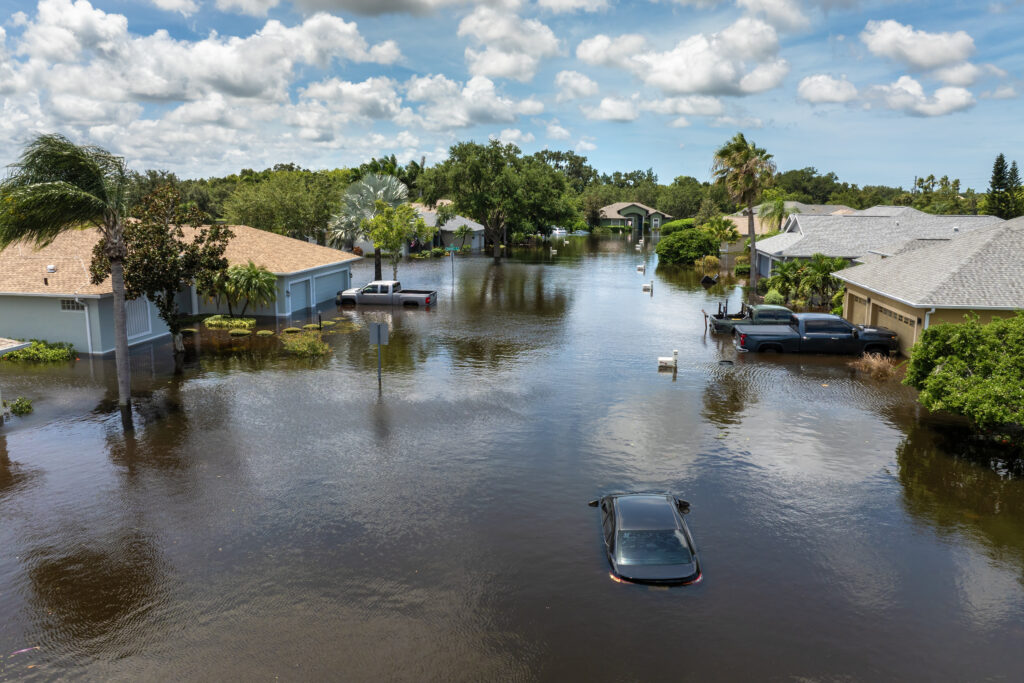
— Jennifer Collins of the University of South Florida, advocating for a new hurricane warning system that accounts for storm surge and rainfall as well as wind. Collins coauthored a recent study published in Scientific Reports that suggests replacing the Saffir-Simpson Hurricane Wind Scale (SSHWS) with a new system called the Tropical Cyclone Severity Scale (TCSS). “Frequently, people use the storm’s category to decide whether to evacuate,” Collins explains. “That’s incredibly dangerous because if they hear it’s only a tropical storm or Category 1, too often no alarm bells go off, and they see no cause for concern.” The TCSS addresses this by separately rating wind, rain, and storm surge hazards from 1 to 5, with a final combined number that can be as high as 6 to communicate additional risk from multiple extreme hazards. A hurricane’s final number is at least as high as the highest hazard rating, and if two hazards are rated 3 or higher, the final number increases by one, which can yield the hurricane’s hazard risk as a 6 on the TCSS. Collins and colleagues tested the new scale in an online experiment in which some recipients received SSHWS warnings and others received TCSS warnings; participants who received the latter were more likely to correctly identify the storm’s main hazard and significantly more likely to evacuate for hazards other than wind. “There have been too many instances of incredible loss of life and destruction because a low category number on the SSHWS, or even if it’s listed as a tropical storm, did not match the danger of the storm,” Collins notes. She stated that the new study shows “that people are more likely to evacuate if they understand the dangers from rainfall and storm surge in addition to wind.” The research team plans to appeal to the National Hurricane Center to consider adopting the new scale. “We now know many people make decisions based on the category messaging,” Collins says, “so we need to ensure that we are communicating with a scale which is more realistic of the severity of the hurricane.” [Source: University of South Florida]