![NOAA GOES-East ABI Infrared image of the July 2025 Texas flooding event. [Source: NOAA NESDIS]](https://headlines.ametsoc.org/wp-content/uploads/2026/08/NA_NOAA_2025-09_Texas-Floods-Banner.jpg)
The State of the Climate report, the most comprehensive annual global climate report, is published each year as a supplement to the Bulletin of the American Meteorological Society. The newly released State of the Climate in 2025 features contributions from hundreds of authors worldwide, and details record-breaking global greenhouse gas concentrations, fossil fuel emissions, sea level, and ocean heat, as well as other key trends, events, and phenomena.
In this post, we speak with Regional Climates chapter co-editor Laura Stevens about the North American climate in 2025. Read the Regional Climates chapter here [PDF].
What was your role in the report?
This is my third year as editor for the North America section of the Regional Climates chapter, and I continue to work with an exceptional team of authors from Canada, the United States, and Mexico. I focus on guiding the synthesis of information related to temperature and precipitation as well as notable weather events and impacts. My role involves overseeing content and figure development, coordinating the peer-review process, and managing project timelines to keep everything aligned and on schedule.
What are three noteworthy trends or events you’d want to highlight from North America in 2025?
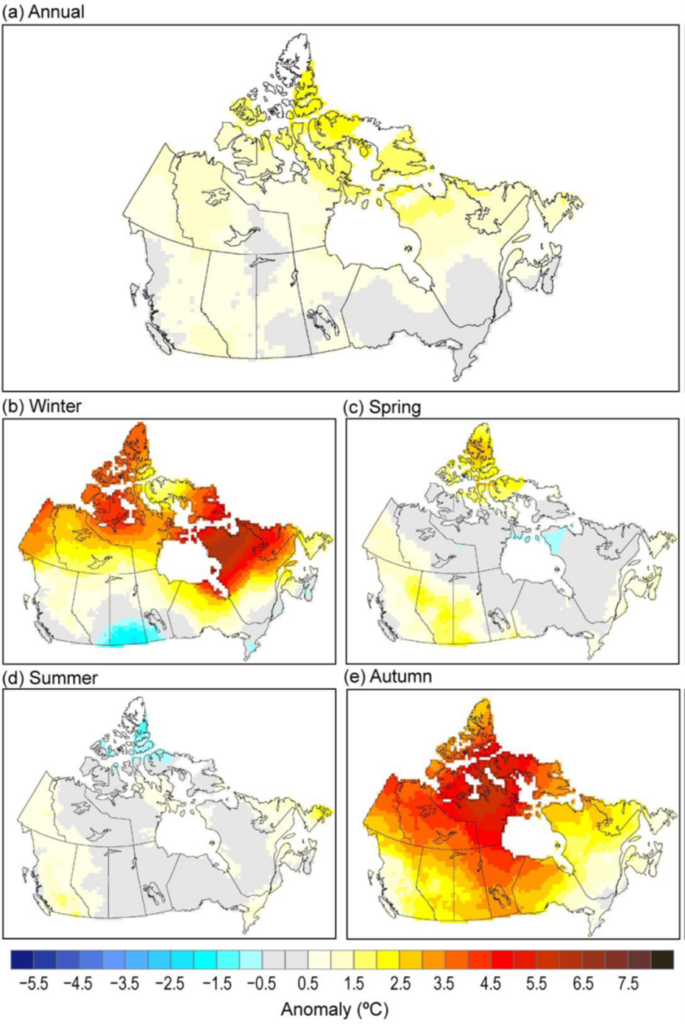
- 2025 was the third-warmest year on record for North America as a whole (since reliable records began in 1850). The latter part of the year was particularly warm, with September–November 2025 ranking as the warmest autumn on record.
- It was also another big year for extreme events, including wildfires in Canada and the United States, an active U.S. tornado season, and extreme rainfall events in both the U.S. and Mexico.
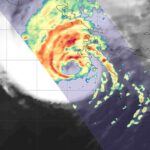
- Finally, this year’s report includes a sidebar on the flooding that occurred in Central Texas in July 2025. This catastrophic event extended from the Texas Hill Country through the Greater Austin metropolitan area and led to over 135 fatalities.
What was unexpected or differed from the norm last year?
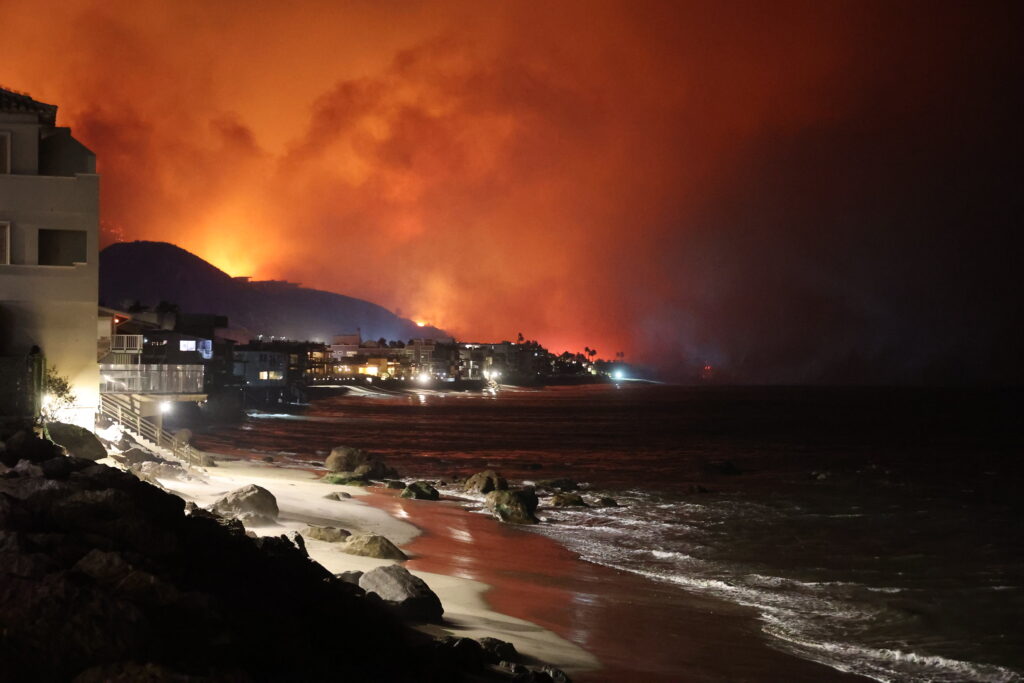
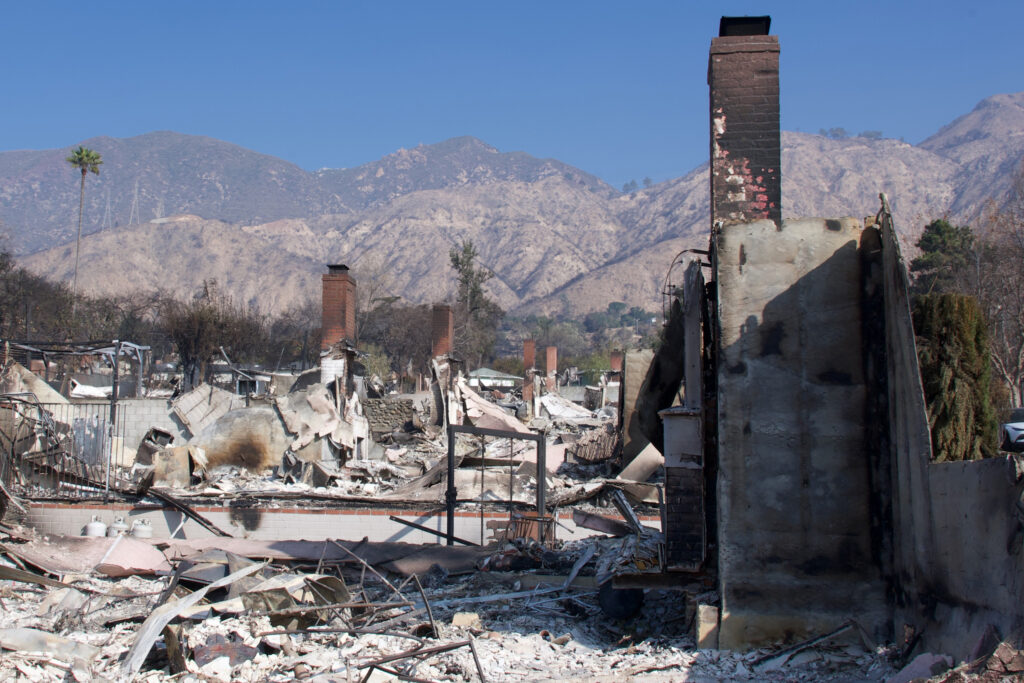
Wildfires were particularly destructive in 2025. Canada’s wildfire season was the second worst on record, with approximately 8.9 million hectares burned over five months. Approximately 2 million hectares also burned in the contiguous United States, including the devastating Los Angeles fires in January, which caused 31 fatalities, and Arizona’s Dragon Bravo Fire, which destroyed the historic Grand Canyon Lodge.
In addition, it was the first time in 10 years that there were no landfalling hurricanes in the United States; however, three Category 5 storms formed in the Atlantic, and Category 3 Hurricane Erick struck Mexico’s Pacific coast.
What else is new in this year’s report?
Although this section of the report focuses on the geographic continent of North America, we were also able to include temperature and precipitation data for Hawaiʻi for the first time this year. This was thanks to newly released gridded temperature and precipitation data from NOAA’s National Centers for Environmental Information, developed by partners at the University of Hawaiʻi.
Who uses climate reports like these?
Climate assessments are as important as ever, as people continue to seek information in order to make informed weather- and climate-related decisions. This year, in addition to BAMS State of the Climate, I have worked on a report about climate change in North Carolina, as well as a collection of climate summaries for all 50 U.S. states plus Puerto Rico and the U.S. Virgin Islands. These reports are valuable for a wide range of audiences, including the general public, scientists, local and regional planners, and natural resource managers.
What do you hope to see/what do you worry about in the year ahead?
We are experiencing more record warmth in North America, and globally 2026 is on track to rank among the five-warmest years on record. So far this year we have seen several heat waves across the continent, as well drought conditions and intense wildfire activity in Canada and the United States. Mexico, however, is currently experiencing a very active rainy season, so hopefully communities and ecosystems there can continue to get relief from the multiyear drought that has been affecting much of the country.
Anything else you’d like to mention?
I’d like to give a shout-out to the BAMS State of the Climate production team. In addition to all the chapter authors and editors, the staff who provide graphics, technical editing, and communications support are invaluable to this report.