The State of the Climate report, the most comprehensive annual global climate report, is published each year as a supplement to the Bulletin of the American Meteorological Society. The newly released State of the Climate in 2025 features contributions from hundreds of authors worldwide, and details record-breaking global greenhouse gas concentrations, fossil fuel emissions, sea level, and ocean heat, as well as other key trends, events, and phenomena.
In this post, we speak with Arctic chapter editors Twila Moon, Matthew Druckenmiller, and Rick Thoman about climate impacts in this region in 2025. Read the Arctic chapter here [PDF].
What are some noteworthy trends or events you’d want to highlight from the Arctic in 2025?
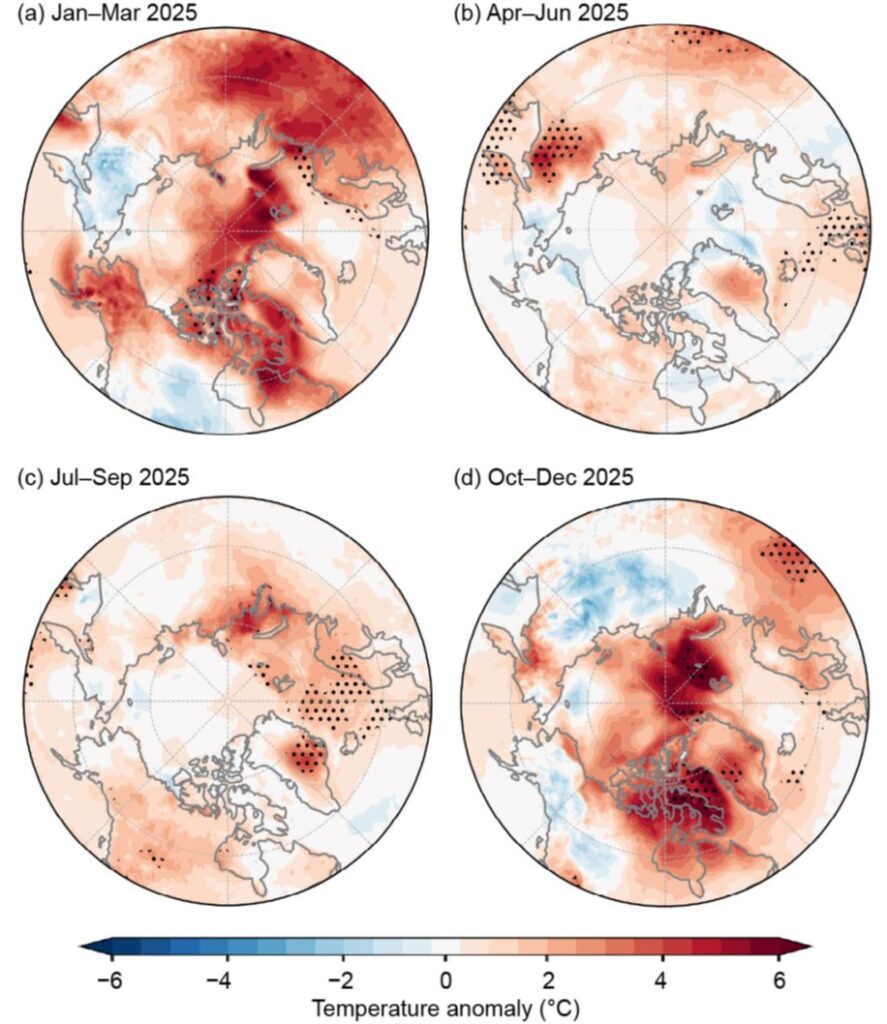
The Arctic experienced its second warmest year on record (since 1900), with an annual surface air temperature 1.38°C above the 1991–2020 average. Even more striking, 2025 marked the 12th consecutive year in which Arctic temperature anomalies exceeded the global average, reinforcing that the Arctic continues to warm roughly three times faster than the planet as a whole. This warming is especially pronounced in autumn and winter, reflecting the powerful feedbacks associated with sea ice loss.
>>Fig. 5.6. in the State of the Climate in 2025. Seasonal surface air temperature anomalies (°C) in 2025 for (a) winter (Jan–Mar), (b) spring (Apr–Jun), (c) summer (Jul–Sep), and (d) autumn (Oct–Dec). [Source: ERA5. View figure in report for full caption.]
The March maximum sea ice extent was the lowest in the 47-year satellite record, while the Arctic is now dominated by thin, first-year ice. Ice older than four years, which was once a defining feature of the Arctic Ocean, has declined by about 95% since the 1980s. At the same time, Arctic Ocean sea surface temperatures were the second warmest on record, illustrating the tight coupling between declining sea ice and ocean warming. Together, these changes affect ecosystems, weather, shipping, and coastal communities.
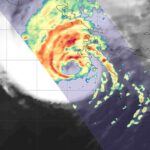
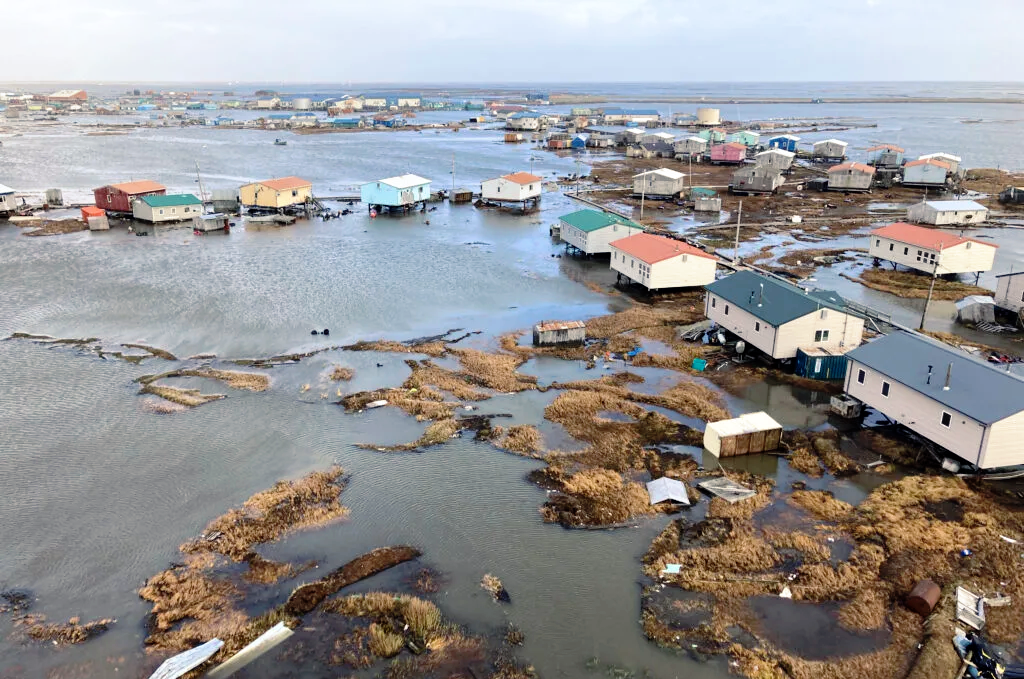
Our Arctic chapter also highlights the devastating October 2025 ex-typhoon Halong, which brought severe storm surge, flooding, and loss of life to western Alaska. The historic storm, which was the third ex-typhoon since 2022 to follow such a rare path through the Bering Sea and into the Arctic, is a reminder that Arctic climate change is increasingly about its impacts on communities, infrastructure, and livelihoods, as much as environmental change.
Were there any new or unique challenges in climate observing/research in this region in 2025?
One thing that stood out while preparing this chapter is that some of the greatest challenges to understanding how the Arctic is changing are operational. The Arctic is changing faster than ever, yet maintaining the long-term observations needed to document those changes is becoming increasingly difficult. The report, for example, highlights the loss of a long-term vegetation monitoring dataset due to funding cuts. At the same time, the Arctic remains sparsely observed, particularly over the ocean, so sustaining satellite observations, in situ measurements, and partnerships with Indigenous and Arctic community observers will be critical for understanding and responding to future change.
What do you worry about in the years ahead?
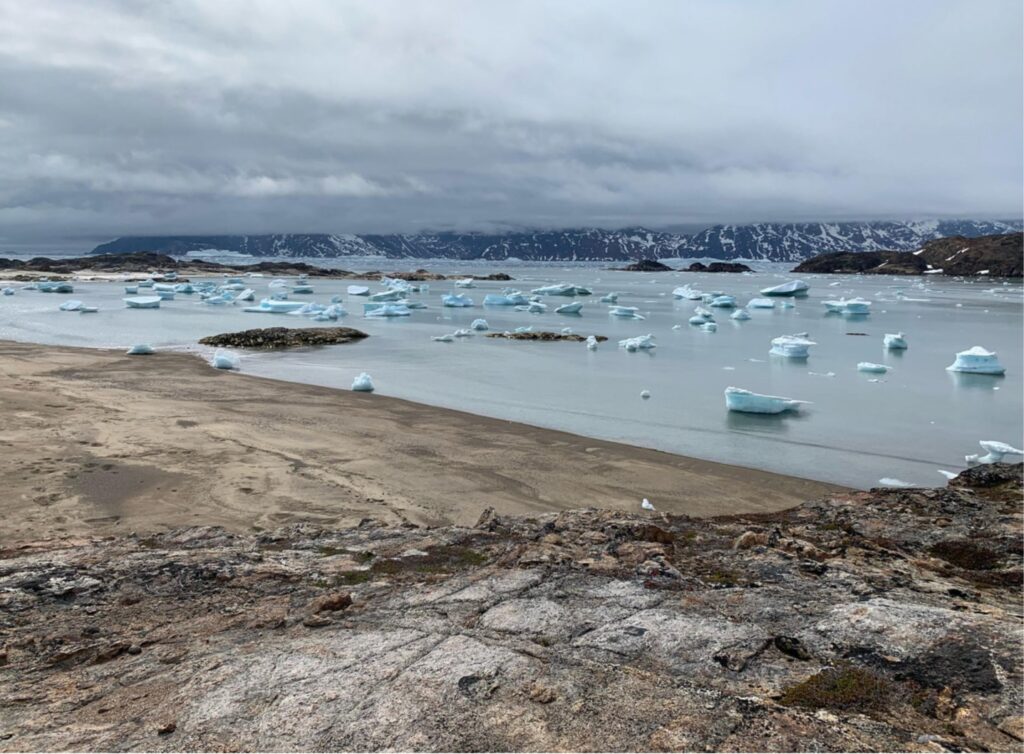
One of the changes we are watching closely is how rapid Arctic warming is reshaping the region’s hydrological cycle, bringing increased precipitation, more frequent heavy precipitation events, and new extremes. In 2025, the Arctic experienced its third wettest year on record, including record spring precipitation and an increase in winter heavy precipitation events. These changes are occurring alongside permafrost thaw, sea ice loss, and warming ocean waters, creating compounding risks for Arctic communities. Together, these processes are contributing to greater threats from flooding, landslides, infrastructure damage, coastal erosion, and disruptions to critical services. Understanding how these interacting changes unfold and how communities can prepare and adapt will be a key priority in the years ahead.