Forecasting
From AMS Journals
AMS Science Preview: High-Res Global Forecasting, Tornado Emergencies
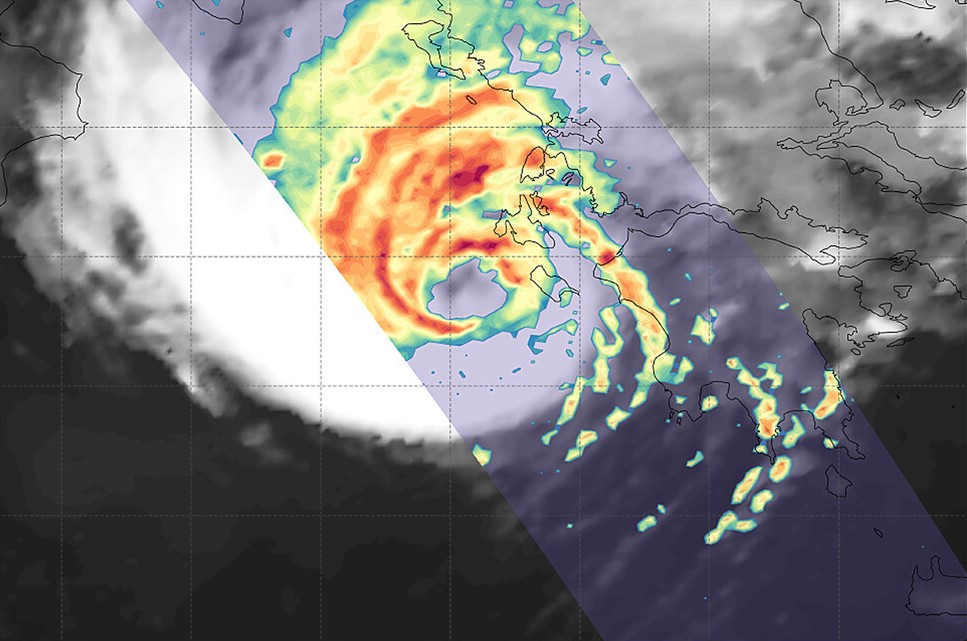
Recent research in AMS journals spotlights tornado emergencies, kilometer-scale global weather forecasting, a new normal for polar sea ice, links between Tibetan snow cover and intense tropical cyclones, and more.
People
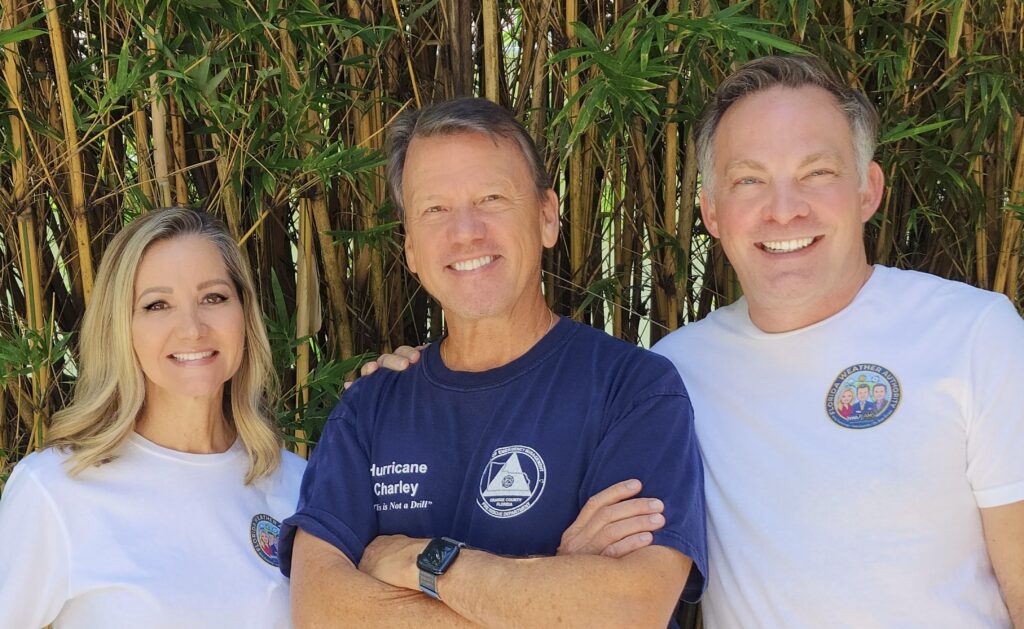
After the Broadcast: Three CBMs Build a New Future for Weather
Tom Sorrells, Amy Sweezey, and Rob Eicher each built long careers in television before finding their way into new chapters. Rather than stepping away from meteorology, however, they saw an opportunity to bring their experience to audiences in a different way. The result is Florida Weather Authority, a digital-first weather platform built around experienced Florida meteorologists and the idea that trusted weather information shouldn't be limited by station boundaries or a traditional broadcast schedule.
Science Spotlights
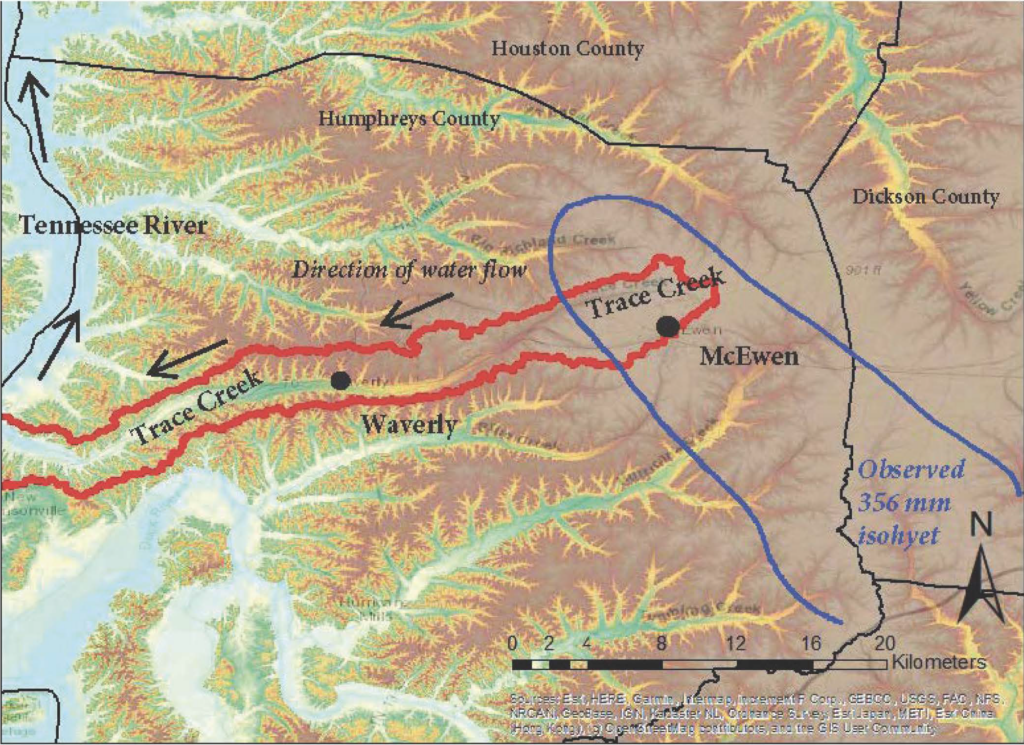
How the Warn-on-Forecast System Could Help Forecasters Catch Extreme Rainfall
by Patrick C. Burke In the early hours of August 21, 2021, an extreme rainfall event set a 24-h gauge...

From AMS Journals
AMS Science Preview: Texas Floods, Deformed Cities, Olympic Weather
The American Meteorological Society continuously publishes research on climate, weather, and water in its 12 journals. Many of these articles are available via early online access–they have been peer-reviewed, but are not yet in their final published form. Below are some examples of recently accepted research.

People
Building Trust Before the Storm: Ernesto Morales on Weather, Service, and Communication
For more than two decades, Ernesto Morales has helped communities across Puerto Rico and the U.S. Virgin Islands prepare for hazardous weather. As warning coordination meteorologist at the National Weather Service Forecast Office in San Juan, Morales serves as a bridge between meteorological science and the people who rely on it to make critical decisions.

From AMS Journals
AMS Science Preview: 30-Day Forecasts? Little Ice Age, wave-dampening hurricanes
The latest AMS journals research discusses the possibility of 30-day weather forecasts, whether the Little Ice Age was caused by depopulation of the Americas, the cooling effects of multi-year La Nina, and AI translation.

Across AMS
Forecasting D-Day: The Questions We Didn’t Have Time to Answer
The AMS webinar Forecasting D-Day: The Science Behind History and the Story Behind Pressure explored one of the most consequential weather forecasts in history: the prediction that helped determine the timing of the Allied invasion of Normandy on June 6, 1944. The discussion generated more questions than time allowed and AMS Headlines followed up with moderator Sean Potter and panelists Jim Galvin, James Fleming, Martin Young, and Anthony Maras–as well as meteorologist Stephen Burt who was a consultant on Pressure–to help answer some of the audience's most intriguing follow-ups.

Perspectives
Heat, version-2026
Summer hazards are coming; how can we ensure that the warnings of those hazards are heeded?
Across AMS
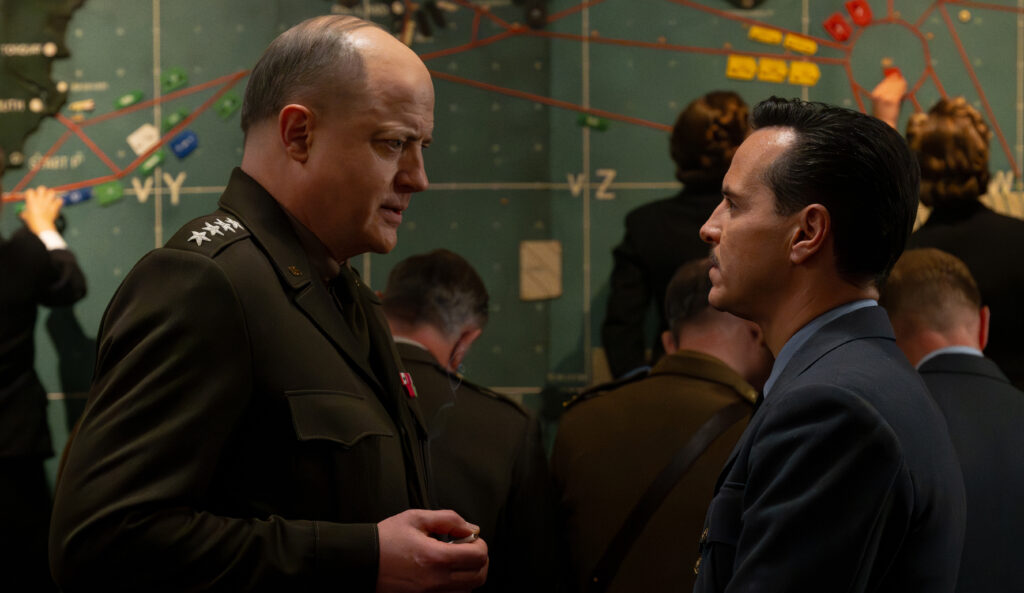
Exploring the Science behind Pressure
The feature film Pressure, starring Andrew Scott as James Stagg and Brendan Fraser as General Dwight D. Eisenhower, opens today....
Across AMS
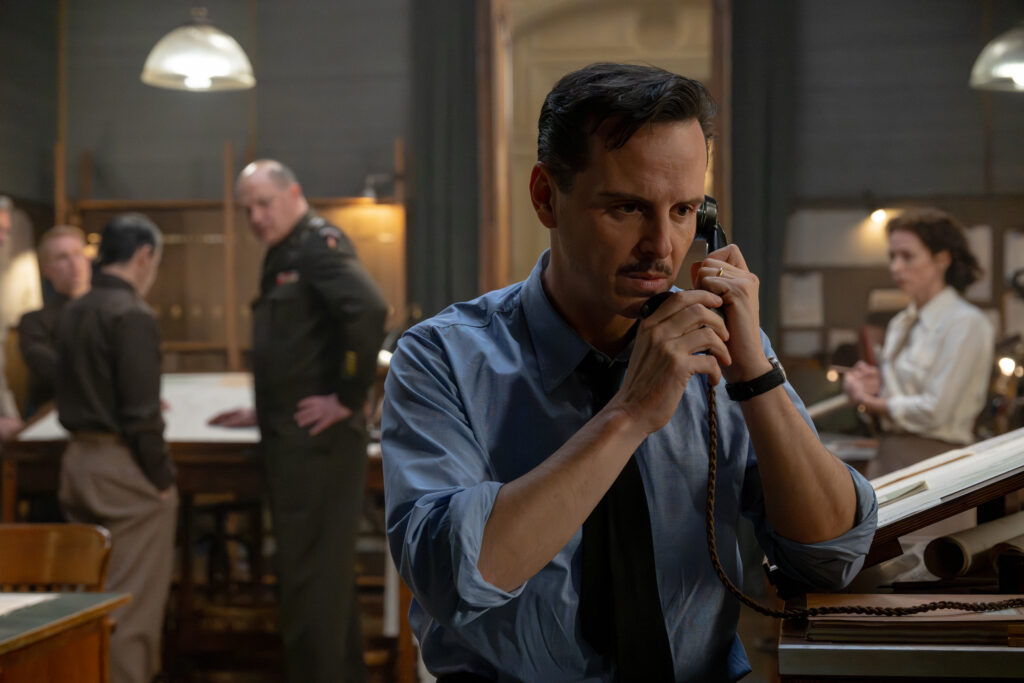
The “Pressure” Behind Forecasting for D-Day
In advance of the release of Pressure, AMS is presenting a special webinar discussing the science behind the film. “Forecasting D-Day: The Science Behind History and the Story Behind Pressure” will examine how Stagg and his team navigated conflicting forecasts and will compare these historic methods with today’s advanced forecasting tools.